Saturday, September 12, 2026Daily Edition · No. 001

The Other Headlines

There is more good in the world than the headlines suggest.

Bad news travels fast. Help good news travel faster.

The Other Headlines / Collection

A Brighter Tomorrow

More stories. Bigger possibilities.

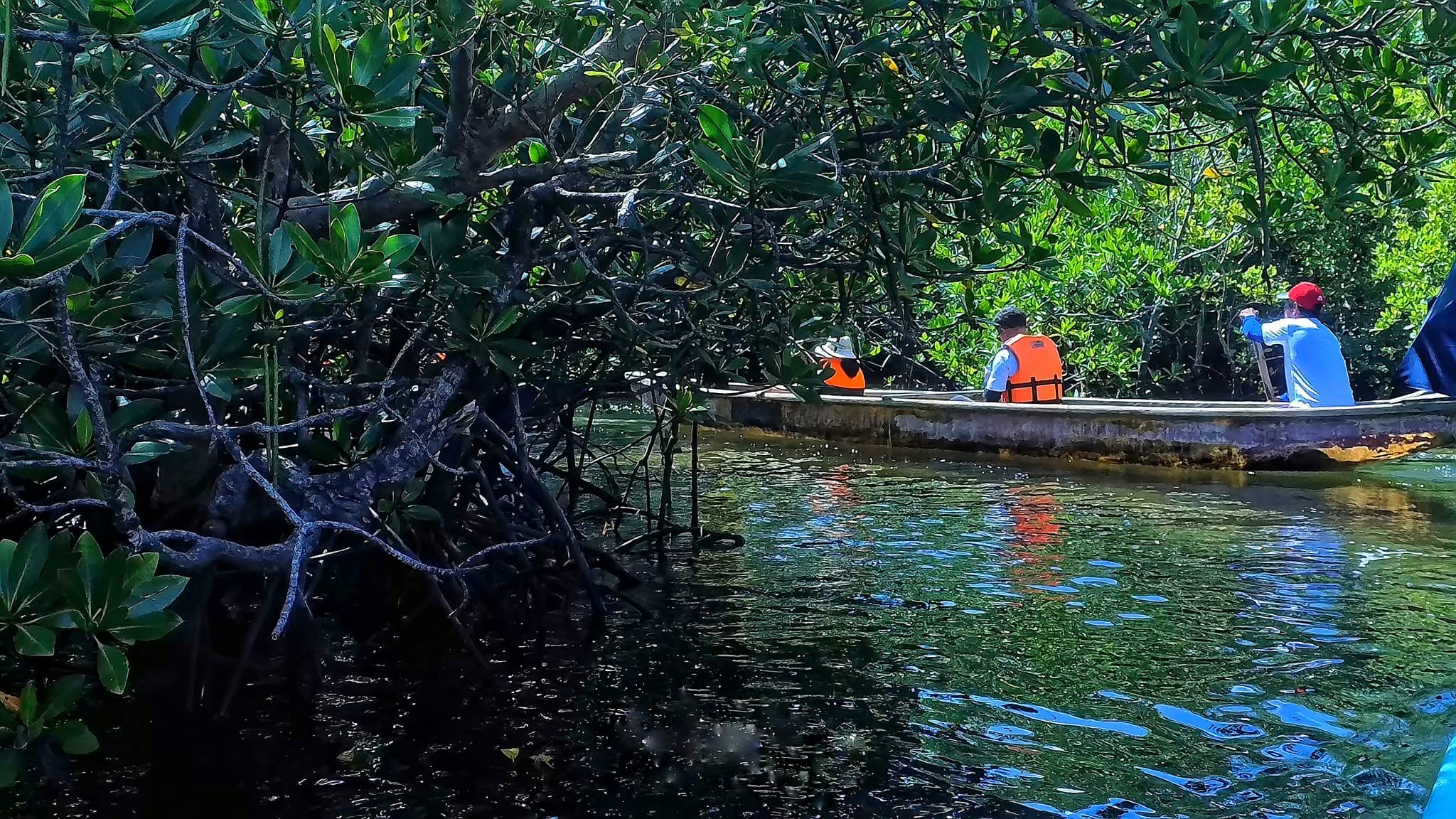
Thematic illustration for this collection, not an image of any listed story
Thematic photo: LASZLO ILYES from Cleveland, Ohio, USA · CC BY 2.0. Not a photograph of a listed story.
250 published stories
Publisher photograph accompanying wfp.org's report

2026-10-27 / Health & Medicine

Seeking Ebola Care Shouldn’t Mean Going Hungry: WFP Has Served Over 744,000 Meals in DRC Treatment and Isolation Facilities

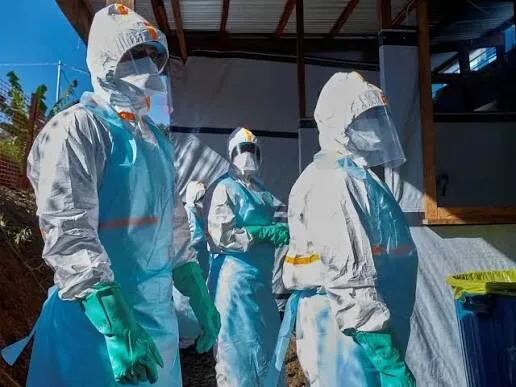
The World Food Programme reports delivering more than 744,000 hot meals in 60 treatment and isolation facilities and over 3,000 metric tons of food to patients’ families in the Democratic Republic of the Congo. That assistance supports people through care and helps families follow health guidance without hunger forcing them to take additional risks.

Publisher photograph accompanying ynetnews.com's report

2026-10-25 / Health & Medicine

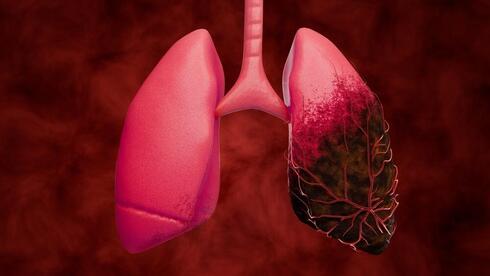
More time to live: a drug combination extended median survival by over eight months in an advanced small cell lung cancer trial

A Phase 3 trial involving 563 patients found that tarlatamab plus durvalumab extended median survival to 21.1 months, compared with 12.7 months for durvalumab alone. The findings suggest a way to give some patients with extensive-stage small cell lung cancer longer lives after initial treatment, although serious side effects were more common.

Publisher photograph accompanying cronista.com's report

2026-10-24 / Planet & Nature

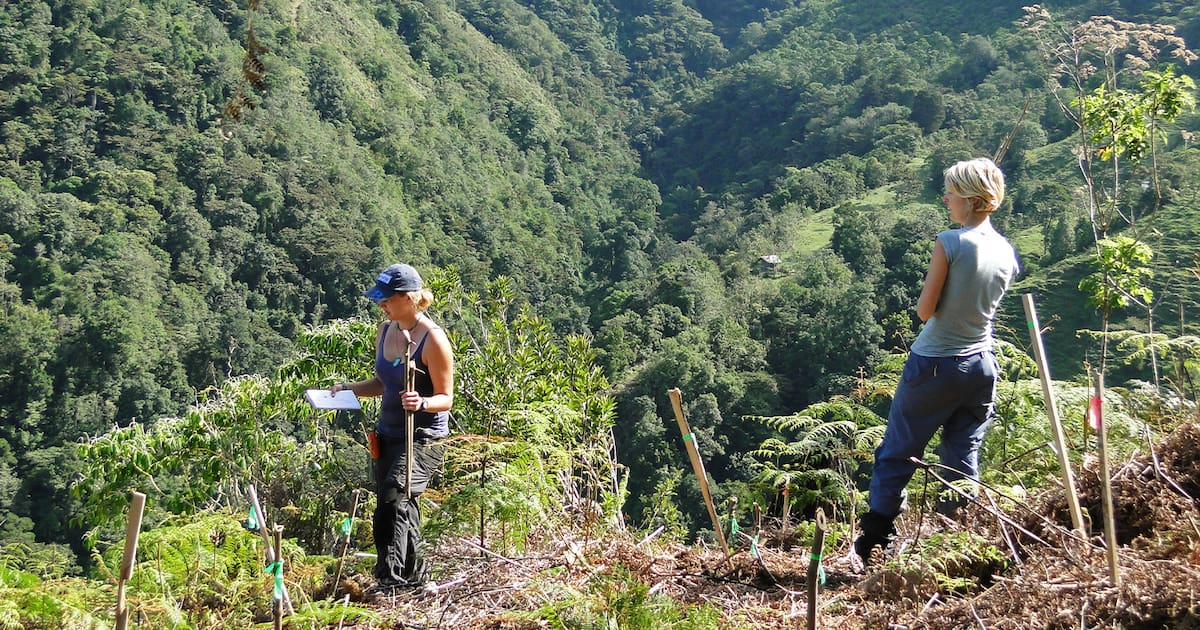
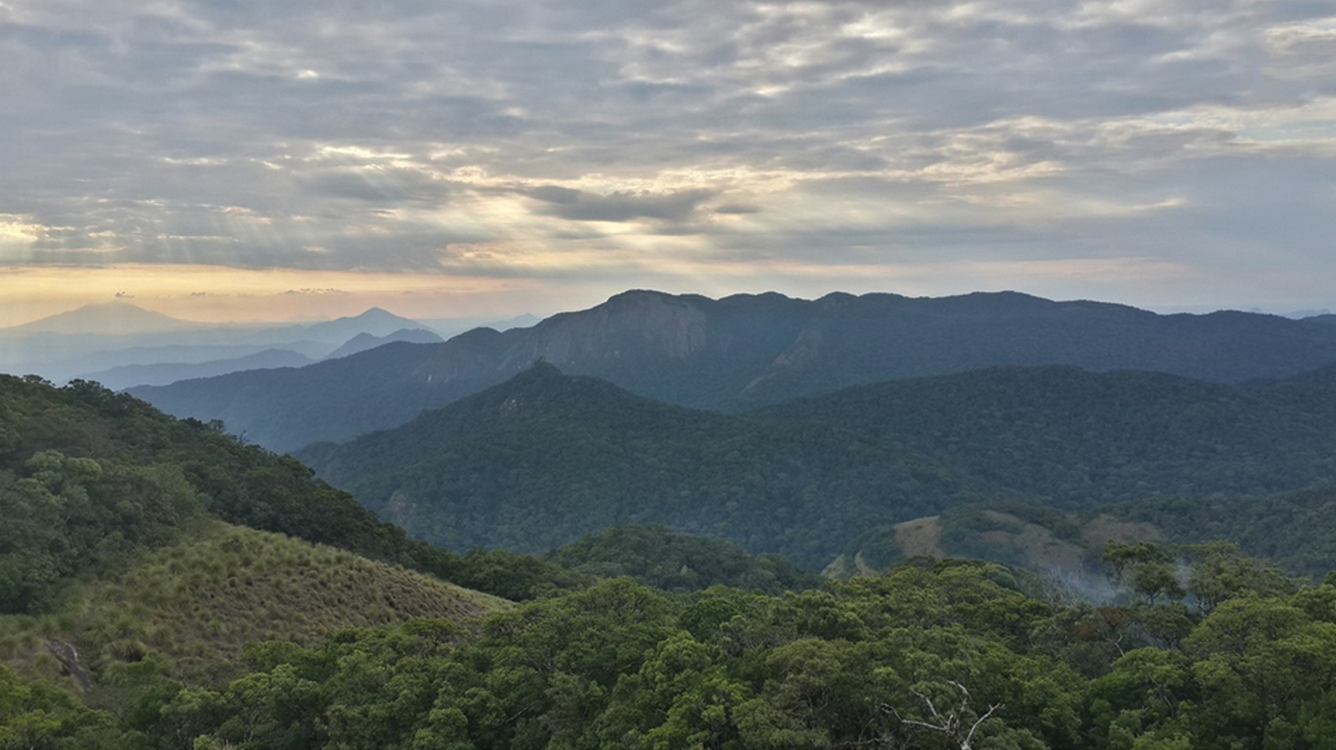
A forest can become a home again: on land a couple helped restore in Costa Rica, a puma has raised her cubs

Genevieve and Ian Giddy began restoring former farmland beside Costa Rica’s Chirripó National Park in 2002, starting a project that now spans 283 hectares and has grown around 50,000 native trees. Wildlife has returned as the habitat has recovered, with reserve records identifying 305 bird species and researchers confirming the presence of all six wild cat species found in Costa Rica.

Publisher photograph accompanying Good News Network's report

2026-10-24 / Science & Technology

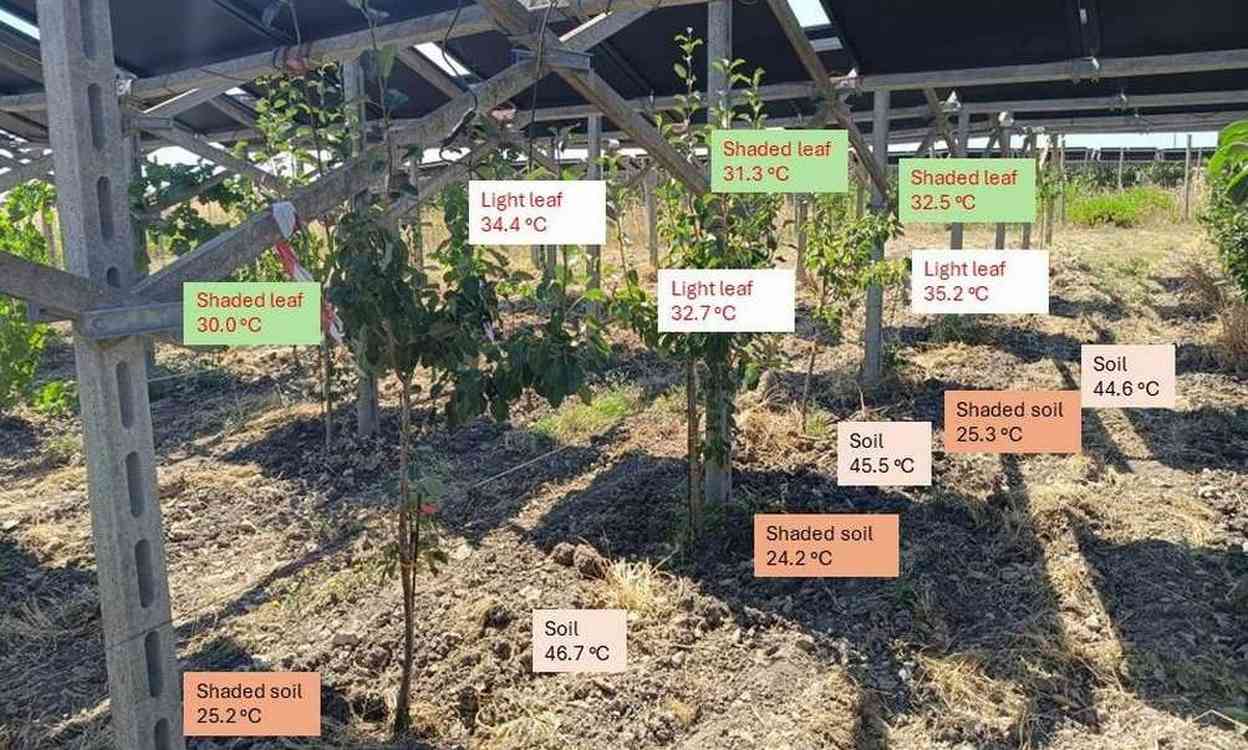
Clean Power and Bigger Harvests Can Share the Same Land: Grapes Under Solar Panels Grew Heavier Bunches in Puglia

A University of Bari study in southern Italy found that grapevines partially shaded by electricity-generating solar panels produced bunches almost three times as heavy as those grown in full sun. The results suggest that vineyards in suitable hot, dry conditions could combine clean energy with stronger crop production, though not every grape variety or region would benefit.

Publisher photograph accompanying The Straits Times's report

2026-10-20 / Health & Medicine

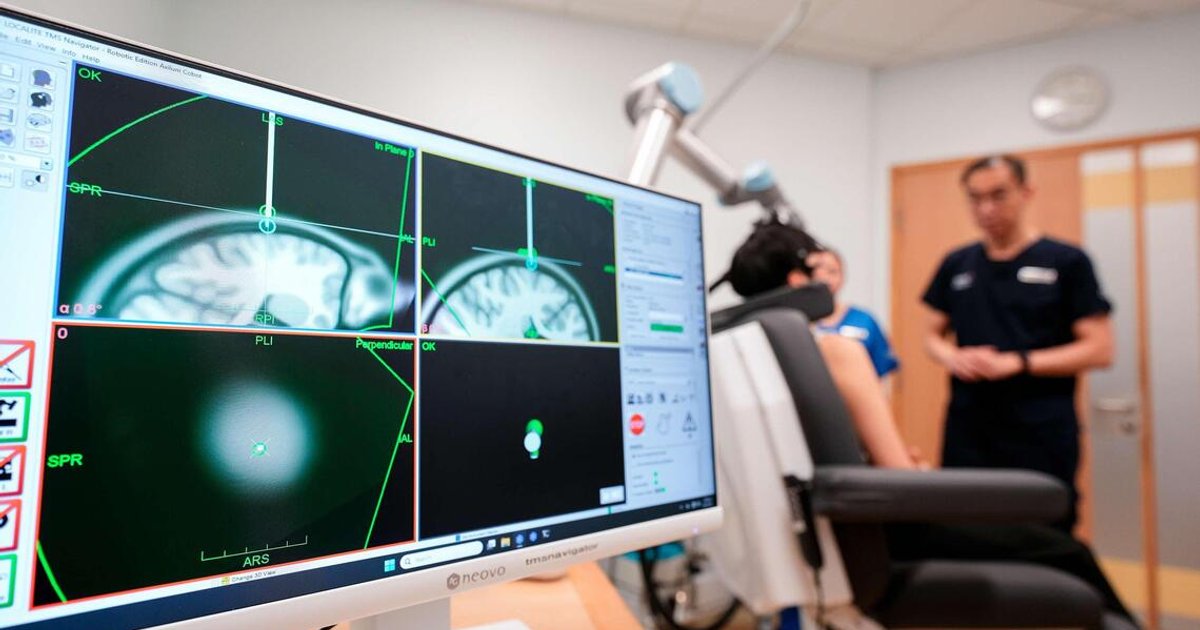
Relief may still be possible when depression resists treatment: 70% responded in a small brain-stimulation study

In an Institute of Mental Health study, 70% of 21 participants with treatment-resistant depression responded within a month of receiving personalised transcranial magnetic stimulation. The treatment is now offered at Singapore’s National University Hospital, providing another option for some patients whose depression has resisted treatment, though response does not necessarily mean remission.

Publisher photograph accompanying nchstats.com's report

2026-10-16 / Health & Medicine

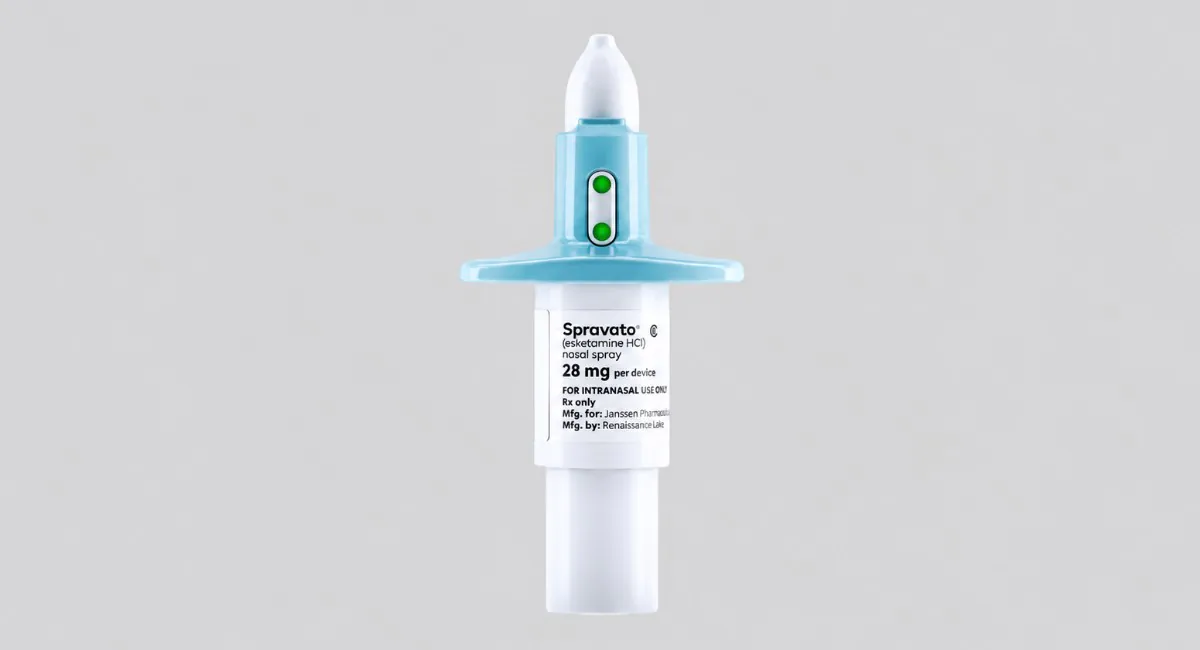
A life with plans again: Ellen Talmage says nasal-spray treatment helped her look forward to outings after decades of depression

Mather Hospital in Port Jefferson, New York, reports that 62% of nearly 40 participants in its supervised esketamine nasal-spray program reported improvements in depression symptoms. Participant Ellen Talmage described everyday activities becoming manageable again, although the small program's results do not establish a universal success rate or lasting recovery.

Publisher photograph accompanying New Scientist's report

2026-10-16 / Health & Medicine

Fewer sick days could be possible for formula-fed babies: a probiotic trial found fewer infections and faster recovery

In a randomised trial involving 223 formula-fed infants in Manila, 23 per cent receiving a supplement had parent-reported respiratory infections, compared with 40 per cent receiving formula alone. Babies receiving the supplement also recovered a few days faster on average, although larger, longer trials are needed to establish its broader benefits and possible risks.

Publisher photograph accompanying bioengineer.org's report

2026-10-15 / Health & Medicine

Prevention can protect generations: Japan’s decades of hepatitis control are now reflected in falling liver cancer deaths

A Hiroshima University review links nearly five decades of hepatitis prevention and treatment in Japan to substantial declines in viral infections and liver cancer mortality. The findings show how sustained public health action can deliver benefits across generations, although non-viral causes now account for a larger share of liver cancer deaths.

Publisher photograph accompanying Michigan Advance's report

2026-10-14 / Humanity & Society

Safer Communities Are Possible: The U.S. Homicide Rate Has Matched Its Lowest Recorded Level

The estimated U.S. murder and nonnegligent manslaughter rate fell 18.1% in 2025 to about four killings per 100,000 people, matching the lowest national rate recorded. A survey of nearly 50 crime scholars identified community violence intervention, easing pandemic disruptions and focused deterrence paired with social services as the most likely contributors—not proven causes.

Publisher photograph accompanying bioengineer.org's report

2026-10-12 / Health & Medicine

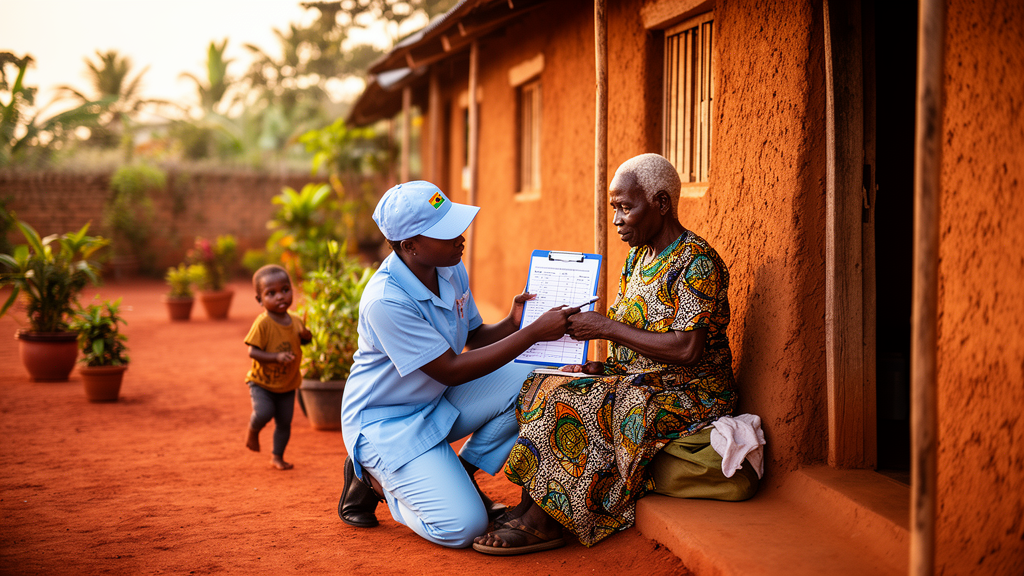
Care Could Start at the Doorstep: Ghana’s Home-Visit Checklist Flagged Over 1,100 Suspected Tropical Disease Cases

In a three-month Ghana pilot, 64 community health officers used a simple checklist during 1,932 routine home visits, recording 1,117 observations of suspected neglected tropical diseases. The findings suggest everyday outreach can help identify overlooked illness, although these were not confirmed diagnoses and getting referred patients to clinics remained a challenge.

Publisher photograph accompanying Reasons to be Cheerful's report

2026-10-10 / Health & Medicine

Hospital surplus could become help, not waste: a 16-year-old’s project rescued an estimated $250,000 in medical supplies

Project MedBridge, founded by Ohio high school student Ben Kurian, arranged the collection of roughly 30,000 pounds of sealed, unexpired medical supplies from an OhioHealth facility in Columbus. The N95 masks and hot-and-cold packs headed toward Pittsburgh for onward shipment to an under-resourced clinic overseas, rather than eventual disposal.

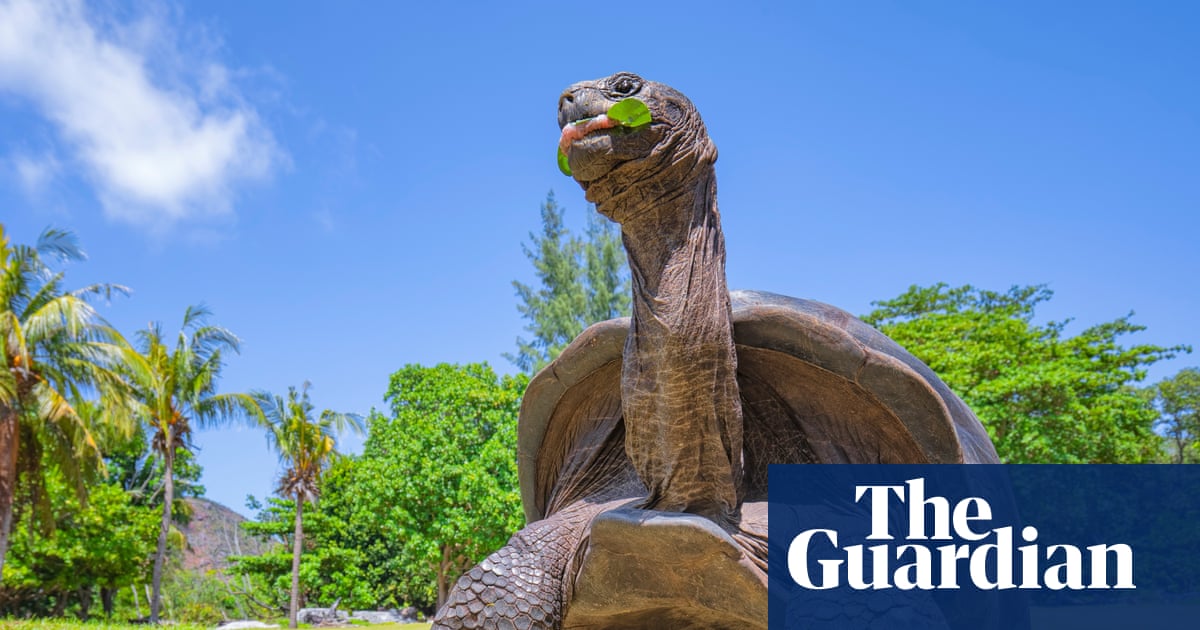
Publisher photograph accompanying The Guardian's report

2026-10-09 / Planet & Nature

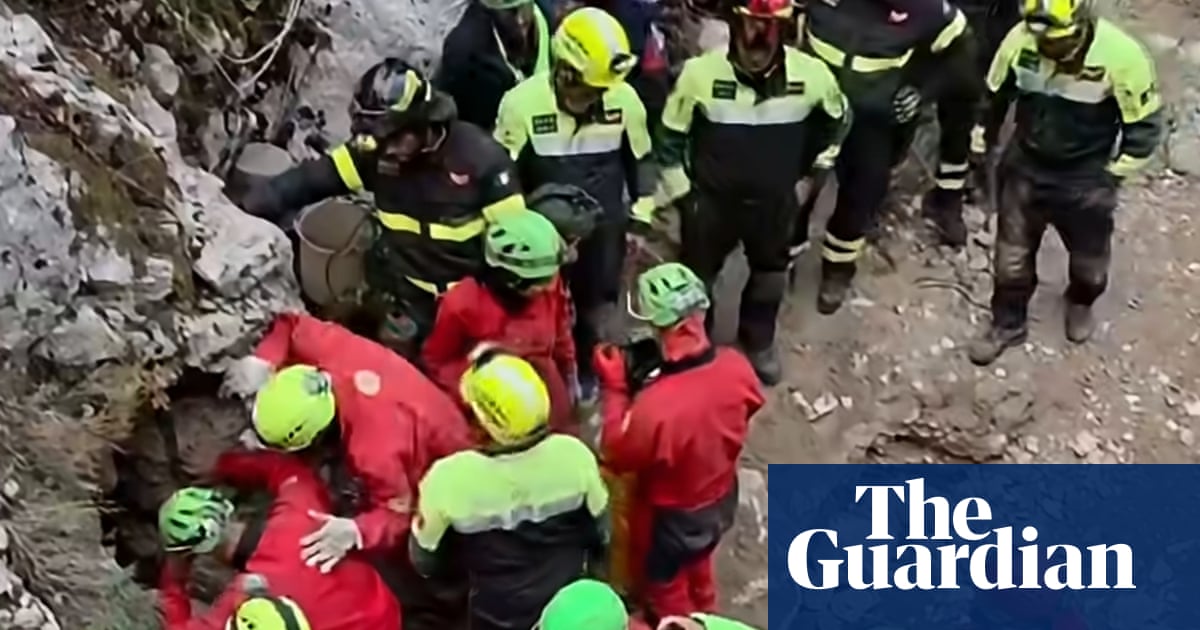
Protection Can Give Wildlife a Future: Aldabra Now Has an Estimated 180,000 Free-Roaming Giant Tortoises

A survey estimates that approximately 180,000 giant tortoises live freely on Seychelles’ Aldabra Atoll, following decades of conservation that helped the population recover from fewer than 1,000 in the 19th century. The highest estimate ever recorded for the species demonstrates what sustained protection can achieve, though climate change and invasive mammals still threaten its future.

Publisher photograph accompanying gov.ca.gov's report

2026-10-06 / Planet & Nature

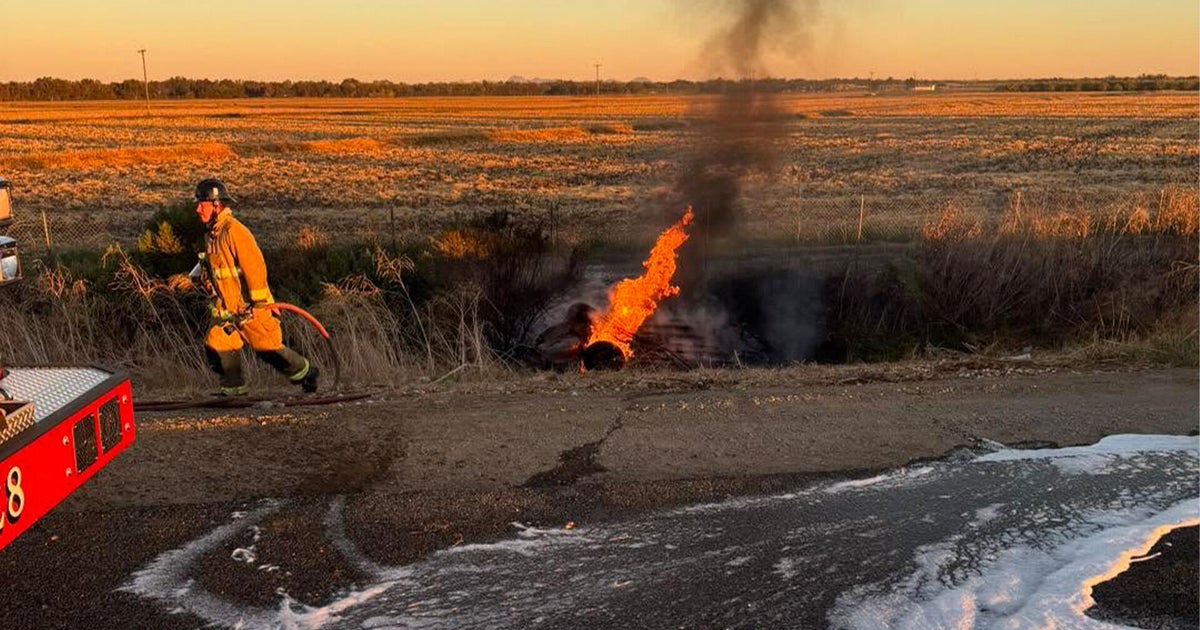
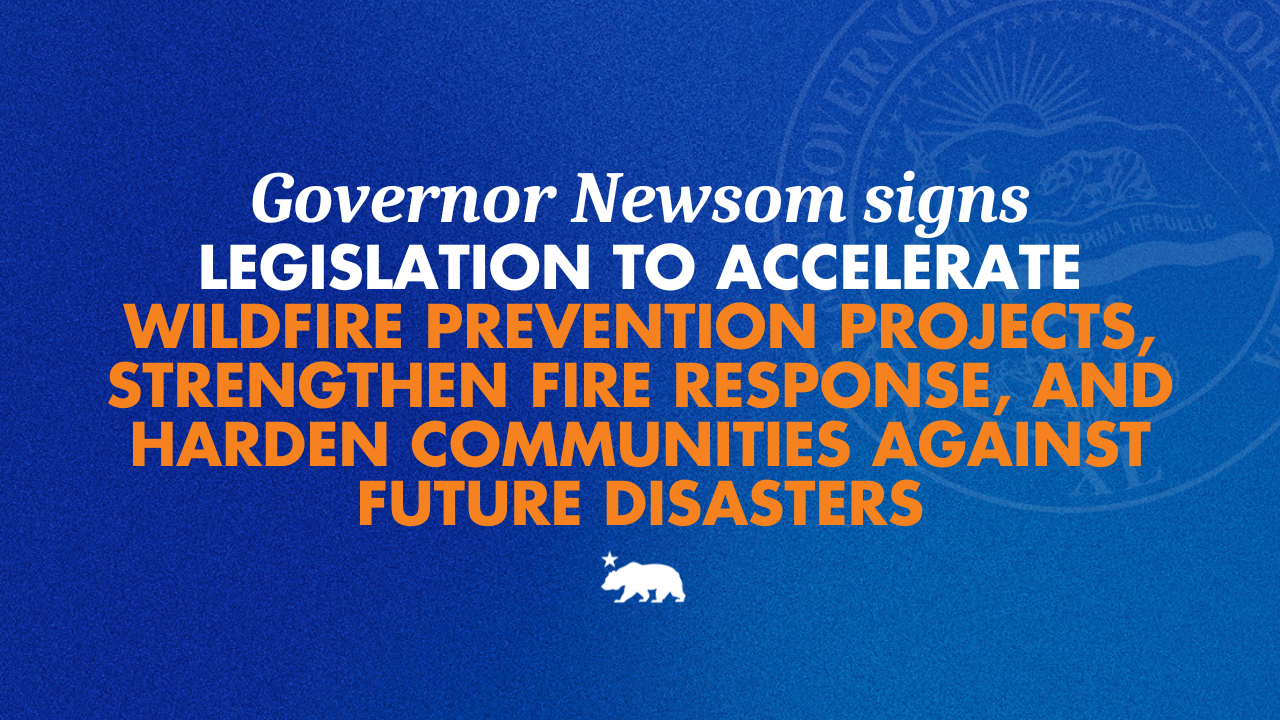
Safer communities can start before a fire: California makes law the measures that fast-tracked 500-plus prevention projects

California has enacted wildfire-prevention measures building on emergency actions that the governor’s office says fast-tracked more than 500 projects across nearly 130,000 acres. The package also expands support for prescribed and cultural burning and establishes low-interest loans to help homeowners and businesses make properties more fire-resistant.

Publisher photograph accompanying CBC North's report

2026-10-06 / Health & Medicine

Care Could Be Easier to Reach in the North: N.W.T. Funding Targets Access and Health Projects in 12 Communities

The Northwest Territories is set to benefit from over $144.8 million in government funding intended to improve health-care access and infrastructure. The commitments cover physician training and recruitment, better-connected primary care, mental wellness services and 16 infrastructure projects across 12 communities; improvements in care have not yet been demonstrated.

Publisher photograph accompanying ecoportal.net's report

2026-10-05 / Planet & Nature

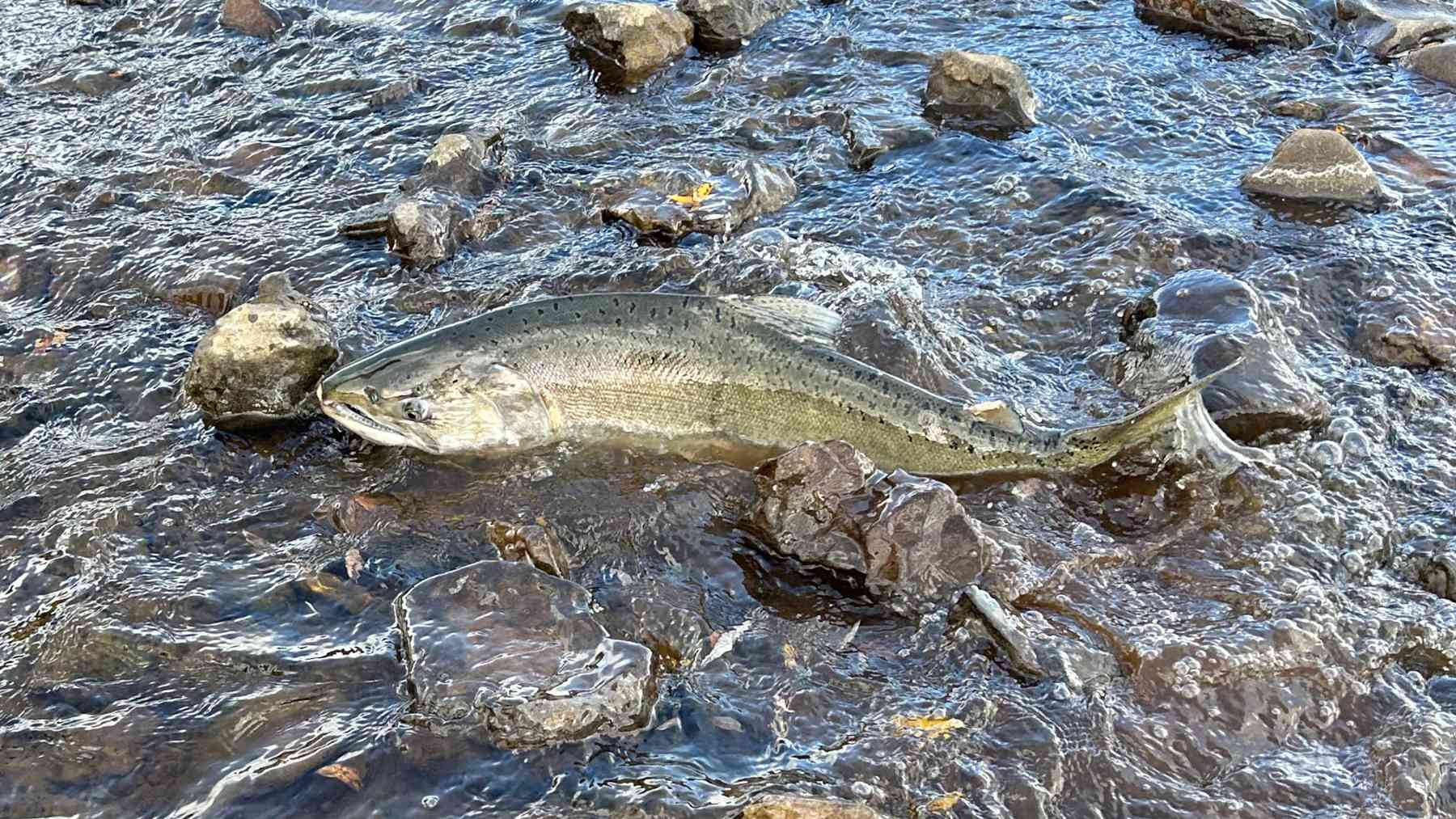
Nature Can Return When We Reopen the Way: Klamath Salmon Reached 88% of Their Historic Range After Four Dams Came Down

Within two migration seasons of four dam removals, Chinook salmon recolonized 88% of their documented historical distribution in the Klamath River, expanding into approximately 214 miles of reconnected habitat. The rapid return shows what removing migration barriers can make possible, though a self-sustaining population has not yet been demonstrated.

Publisher photograph accompanying Troy Record's report

2026-09-29 / Money & Opportunity

A Better Home Needn’t Mean Higher Rent: Troy Renovates 341 Public Housing Units With the Right to Return at the Same Rent

A $152 million renovation of 341 public housing homes across four complexes in Troy, New York, is complete, with upgraded kitchens, bathrooms, flooring and lighting. Tenants were temporarily housed in vacant housing authority units and had the right to return without rent increases. The properties also include 20 units accommodating mobility disabilities and eight accommodating sensory disabilities.

Publisher photograph accompanying Angels in Medicine's report

2026-09-29 / Health & Medicine

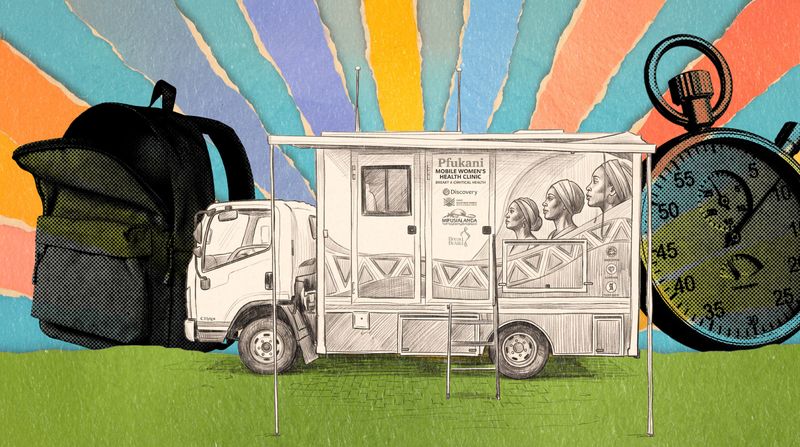
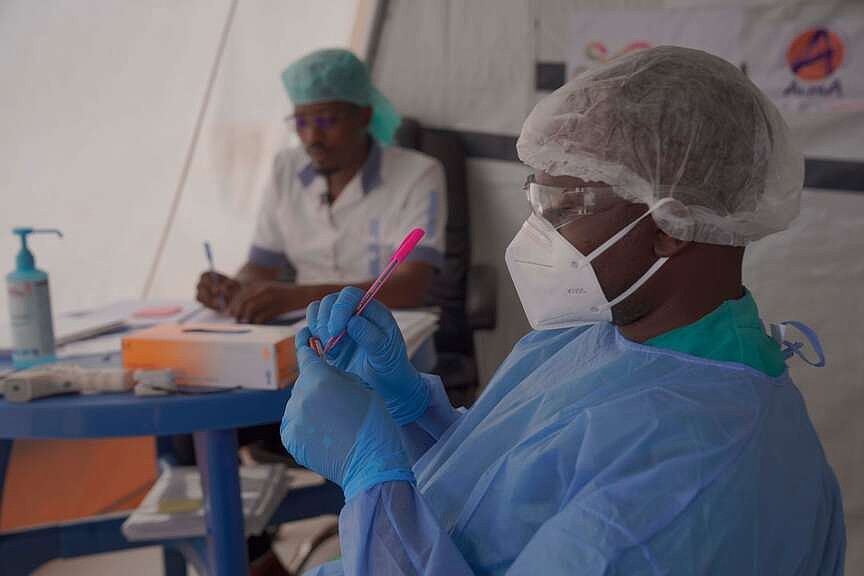
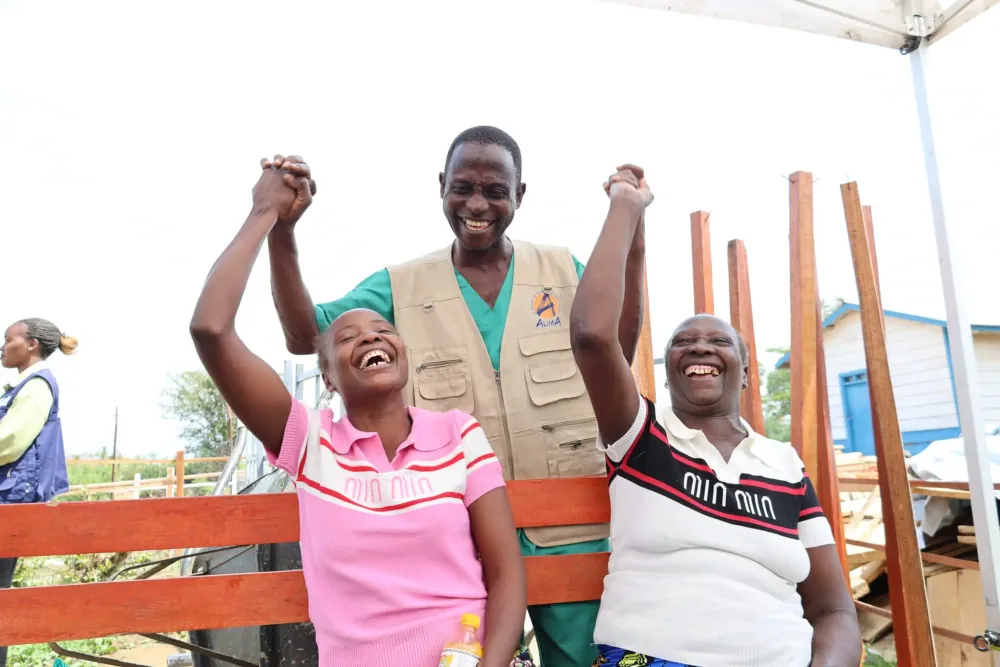
Imagine Ebola care with loved ones still in sight: ALIMA’s isolation rooms let families and patients see each other

In Ituri, Democratic Republic of the Congo, ALIMA uses specialised isolation rooms called CUBEs that allow loved ones to maintain visual contact with patients while protecting healthcare workers. They are part of a response that established four Ebola treatment centres in two months, alongside rapid diagnosis and medical and psychological care. The rooms offer a way to reduce isolation during treatment, though the outbreak continues to spread and the response needs additional resources.

2026-09-27 / Science & Technology

What if the World’s Smartest Technology Spoke Your Mother Tongue? Indian Farmers Are Using Voice AI to Diagnose and Save Sick Cattle

Rural livestock owners in India are tapping into artificial intelligence platforms that answer spoken veterinary questions directly in regional languages like Gujarati. In villages where veterinary care is scarce and delays can cost a family its livelihood, women farmers are diagnosing complex animal illnesses in minutes simply by describing symptoms into their phones. The deployment demonstrates how conversational computing can bridge literacy and geographic barriers to protect vital rural household incomes.

Publisher photograph accompanying Grist's report

2026-09-27 / Planet & Nature

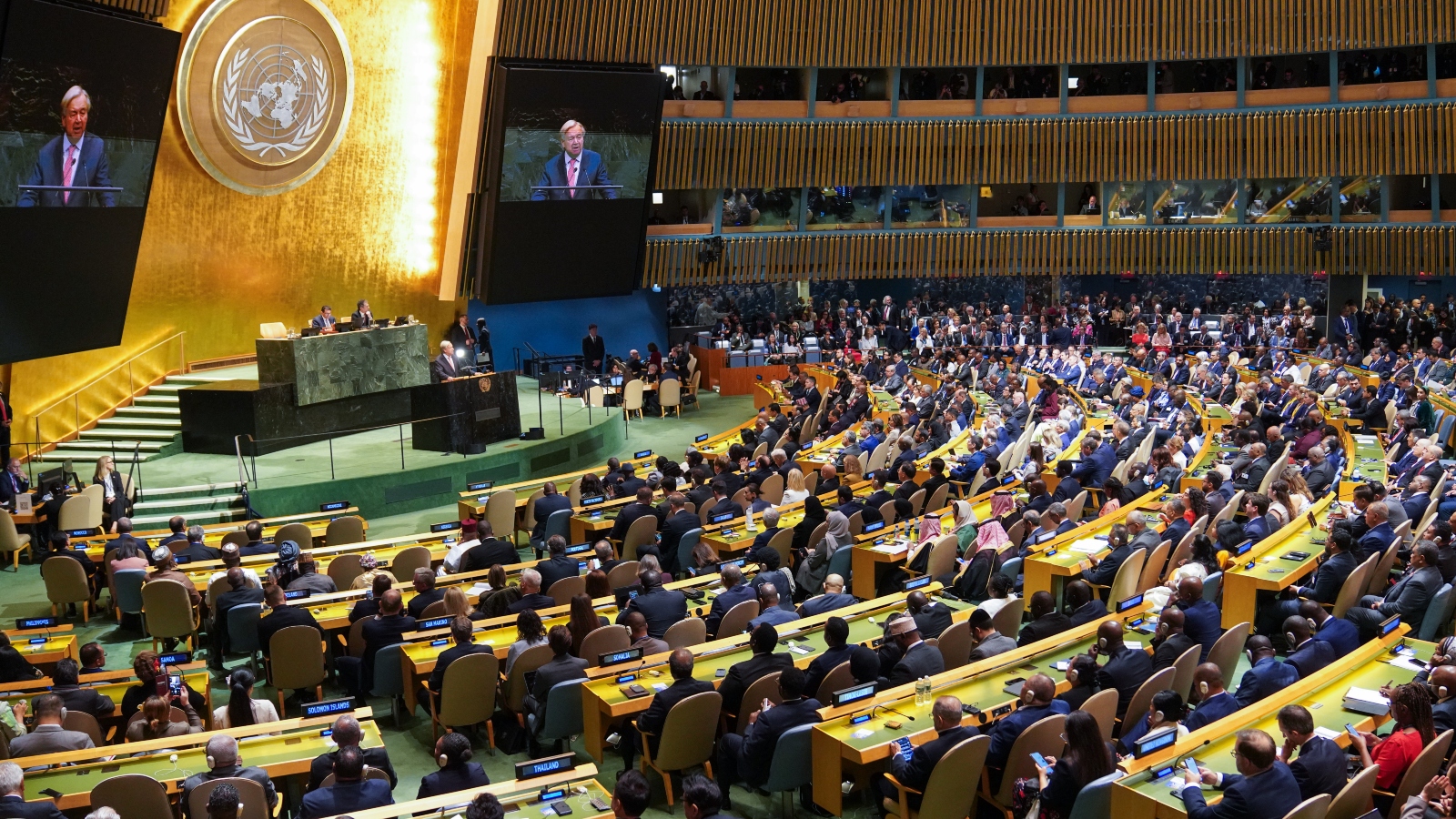
No Matter How High the Waters Rise, a Nation Cannot Be Erased: The UN Agrees Sinking Islands Keep Their Sovereignty Forever

The United Nations has adopted a landmark declaration establishing that sea-level rise will not dissolve national borders or sovereign rights, even if low-lying island states are completely submerged. Supported globally by nations including the United States, the pact protects the permanent maritime boundaries and self-determination of vulnerable island peoples. The decision provides legal certainty and diplomatic dignity to communities facing severe climate displacement.

Publisher photograph accompanying ScienceDaily's report

2026-09-27 / Health & Medicine

We Are Finally Learning to Notice Children Who Need Us: A Massive Study Shows Surging Diagnoses Reflect Better Recognition

A comprehensive Danish study investigating rising autism and ADHD rates found that children diagnosed today resemble the broader general population far more closely than those diagnosed a decade ago. Rather than signalling a biological surge in underlying conditions, the data indicates that clinicians, educators, and families have become far more skilled at recognising subtler neurodivergent presentations. The findings reassure parents that diagnostic growth reflects broader awareness and support.

Publisher photograph accompanying Good News Network's report

2026-09-27 / Money & Opportunity

A Life Can Begin Again After Decades Behind Bars: In San Diego, Former Inmates Are Rebuilding Through Paid Machinist Apprenticeships

In southeastern San Diego, nonprofit Rise Up Industries is training men who spent decades incarcerated to become certified precision machinists. The program combines paid, hands-on technical apprenticeships with dedicated therapy to help individuals transition into lasting, highly skilled careers. By investing directly in rehabilitation, the initiative provides a practical pathway from long-term incarceration to economic independence.

Publisher photograph accompanying Good Good Good's report

2026-09-27 / Animals & Wonder

Feared Vanished Forever, a Forest Songbird Reappears in West Africa After 13 Silent Years

Researchers working in Côte d'Ivoire's Taï National Park have recorded a live Ghana cuckooshrike, a rare canopy bird that had not been documented by scientists for over a decade. The confirmed sighting proves that resilient populations of the species continue to endure in protected rainforest canopies despite heavy regional deforestation. The discovery demonstrates the crucial value of preserving old-growth reserves as durable sanctuaries for endangered biodiversity.

2026-09-26 / Health & Medicine

More Children Living to Grow Up: Kisumu Cuts Early Childhood Deaths by Nearly Half

Kisumu has achieved a dramatic reduction in early childhood mortality, lowering its under-five death rate from 66 to 37 per 1,000 live births. County leadership attributed the breakthrough to coordinated, persistent teamwork among community health workers, local parents, and public health partners. The milestone demonstrates that targeted grassroots care and routine health support can rapidly protect vulnerable young lives.

2026-09-26 / Animals & Wonder

Reminding Us That Nature Still Holds Secrets: Scientists Identify the First New Wild Cat Species in Over a Century

Biologists working in Bolivia's Yungas cloud forests have formally described the tilcayo, a distinct tiger cat species previously unrecognised by Western taxonomy. The breakthrough marks the first living novel cat species described in more than 100 years. Notably, scientists adopted the name long used by local indigenous residents, uniting traditional ecological knowledge with contemporary genetic analysis.

2026-09-25 / Economy & Work

Imagine the World's Shortcut Reopening Ship by Ship: Maersk Sent 67 Vessels Through Suez This Month — Up From Eight a Year Ago

The Suez Canal Authority reports 1,358 vessels transited the canal in August 2026, up 27% from 1,070 a year earlier, with net tonnage up 51% and revenue up 56.7% to $567.1 million. At a 23 September meeting with 20 shipping lines, Maersk said its transits rose to 67 in September from eight in September 2025; COSCO's 24,188-TEU OOCL Portugal made the line's first southbound Suez passage since the Red Sea crisis on 16 September. Recovery remains incomplete and Red Sea risks persist.

2026-09-25 / Rights & Justice

"Welcome Back": Six Days After Being Banned, CNN, MS NOW and Politico Walked Back Into the White House on a Judge's Order

U.S. District Judge Timothy Kelly issued a 14-day temporary restraining order around 1:30 a.m. ET on 24 September, finding the revocation of the three outlets' press credentials likely violated their due-process rights and ordering them 'immediately' restored. Journalists from CNN, MS NOW and Politico were back on White House grounds by midday Thursday. Some access limits remained at the Xi state-dinner arrival, and the legal fight continues.
2026-09-25 / War & Peace

What If the World's Two Biggest Rivals Chose to Keep Talking? The US and China Just Extended Their Trade Truce as Xi Arrived in Washington

As Chinese President Xi Jinping began a state visit to Washington on 23-24 September, the United States announced a two-month extension of the trade truce with Beijing that had been due to expire in November. At the White House, Xi proposed strengthening cooperation on counter-narcotics and law enforcement, regular military-to-military dialogue and improved crisis communication. No broader trade agreement or AI safeguards deal had been announced.

2026-09-25 / Health & Medicine

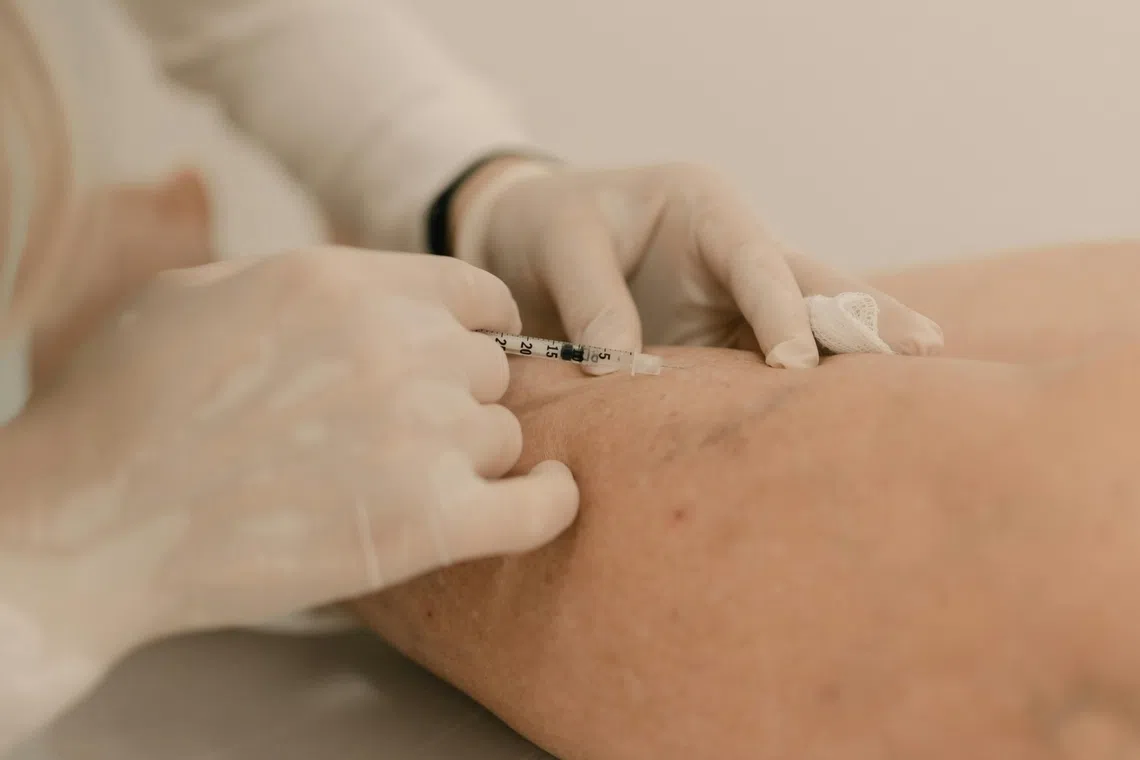
Around the Kitchen Table: Nurses Driving Door to Door Have Vaccinated Amish Families as Pennsylvania Fights Its Deadliest Measles Outbreak

As Pennsylvania battles the deadliest measles outbreak in recent US history, Chester County nurse Dale Weiser has vaccinated around 100 people in their own homes, many in Amish families without health insurance. The state health department says it has administered nearly 4,300 MMR vaccines at pop-up clinics near the outbreak's epicentre since late April. The state has reported four measles-related deaths.

2026-09-24 / War & Peace

Imagine the Strait of Hormuz Reopening Within a Week: Iran and US Envoys Just Held Their First Talks Since the Ceasefire Collapsed

On 22-23 September, Iranian Foreign Minister Abbas Araghchi and US envoys Steve Witkoff and Jared Kushner held Qatar-mediated talks on the sidelines of the UN General Assembly, described as very productive and lasting about three hours — the first contacts since the interim ceasefire collapsed in July. Iran said the Strait of Hormuz could be reopened within seven days if its preconditions were met. Both sides say they remain far apart.

2026-09-24 / Economy

What if the World's Biggest Trade War Kept Cooling Instead of Boiling Over? Washington and Beijing Just Extended Their Truce to January

After two meetings in four days with Chinese Vice Premier He Lifeng, US Treasury Secretary Scott Bessent said on 23 September that the US and China had agreed to extend their trade truce by two months, from 10 November to 10 January, to keep working on a bigger deal. The announcement came as President Xi Jinping arrived for his first US state visit in 11 years.

2026-09-24 / Energy

The Oil Shock Has a Detour: Saudi Arabia Restarted the 1,200-km Pipeline That Moves Crude Around Hormuz

Saudi Arabia has restarted flows through its East-West crude pipeline, halted earlier this month after a drone attack, restoring part of the kingdom's ability to export oil without using the Strait of Hormuz. The 1,200-km line runs to Yanbu on the Red Sea; before the shutdown it moved about 4 million barrels per day, roughly 4% of global supply. It is restarting at a reduced rate.

2026-09-23 / Energy & Climate

The Fuel Shock Everyone Is Paying For Has an Opposite: Sun and Wind Ran 80 Percent of Australia's Grid, and Household Rooftops Supplied Half of It

On 18 September renewables supplied 79.5% of demand on Australia's National Electricity Market, beating the previous record of 78.6%. The next day the Australian Energy Market Operator recorded 80.4%, with household rooftop solar alone meeting more than half of all demand for around 30 minutes at lunchtime. At the moment the first record was set, 26,316MW of renewable power was on the grid against just over 2,000MW from fossil fuels.

2026-09-23 / Governance & Rights

Three Newsrooms Were Banned From the White House. The Networks That Were Not Banned Refused to Take Their Seats — and the Case Landed With the Judge Who Gave Jim Acosta His Pass Back.

After CNN, MS NOW and Politico were barred from White House grounds on 19 September, the television networks that were not banned refused to step in and provide pool coverage of the president's activities on Monday 21 September. The three outlets sued the same day; the emergency motion to restore their hard passes was randomly assigned to US District Judge Timothy Kelly, who in 2018 ruled that the White House could not revoke Jim Acosta's credential without notice. A hearing was set for Wednesday.

2026-09-23 / Health & Medicine

Fentanyl Has Defined a Decade of American Loss. Alabama Has Just Recorded 46 Percent Fewer Overdose Deaths Than Two Years Ago.

The Alabama Department of Mental Health reports that substance-related overdose deaths in the state have fallen 46 percent against provisional figures for March 2024. The state decline sits inside a national turn: CDC's provisional count for April 2025 to March 2026 was 67,798 drug overdose deaths, 12.3 percent fewer than the previous year.

2026-09-23 / Environment & Water

An El Nino Forecast Called Off the Charts Is Coming for the West's Water. Colorado Springs Added Thousands of Residents and Is Using Less Water Than Before.

Colorado Springs has taken on thousands of additional residents while its total water use has fallen, the result of conservation rules and a steady replacement of thirsty lawn with native grass. The city sits in the same drought-exposed river basin now facing an El Nino the World Meteorological Organization calls exceptionally strong.

2026-09-23 / Health & Medicine

Bangladesh's Measles Outbreak Has Taken More Than a Thousand Lives. The Same Country Has Now Put Vaccine Into 19.8 Million Children's Arms — and on Saturday It Starts Going House to House.

Directorate General of Health Services figures show 19,771,720 children vaccinated against measles and rubella since the emergency campaign began on 5 April, about 10 percent above the 18,015,064 target. A further intensified campaign for 3.4 million children aged six to 59 months begins on 26 September, with 4.3 million doses collected from UNICEF on 10 September and 1.5 million already in stock. Health workers will go into villages rather than wait at campaign centres.

2026-09-20 / Humanity & Society

Three Newsrooms Lost Their White House Passes. The Last Time That Happened, a Federal Judge Ordered the Reporters Back In.

CNN, MS NOW and Politico journalists were turned away from the White House on 19 September and say their press passes were confiscated; all three signalled First Amendment challenges. In a closely analogous case, a federal judge ruled the government could not punish the Associated Press for the content of its speech and ordered its access restored.

2026-09-19 / Planet & Nature

Sacred Flowers No Longer Have to Choke India’s Rivers to Be Treated With Respect

Millions of tons of floral offerings across India have long been placed into rivers because spiritual tradition forbids discarding sacred items into ordinary trash. A growing network of green startups is now collecting these discarded marigolds, roses, and jasmine directly from temples to craft clean incense and biodegradable packaging. The closed-loop solution protects fragile waterways while ensuring that offerings made in faith are given a dignified, sustainable second life.

2026-09-19 / Planet & Nature

It Spent Generations as Coalmines and a Landfill. Now It Is Britain’s Largest Urban Farm.

A 65-hectare site in Greater Manchester that once housed two working coalmines, textile mills, an industrial railway, and a municipal rubbish tip has officially reopened as Northern Roots. The newly restored landscape now offers Britain’s largest urban farm, walking trails, and creative green spaces dedicated to community health. The transformation shows how heavily degraded post-industrial wastelands can be reclaimed for public wellbeing and nature.

2026-09-19 / Money & Opportunity

In Sweden, the People Leading the Country Back to Work Are the Ones Who Arrived From Abroad

Sweden's national unemployment rate is edging downward, propelled by a sharp drop in joblessness among foreign-born residents. Official figures from the Public Employment Service show that newcomers are securing jobs faster than any other group in the country. The turnaround offers tangible proof that when given the opportunity, immigrant communities are powerful engines of national recovery.

2026-09-19 / Health & Medicine

A Heart Pill Millions Already Take Appears to Help People With Alzheimer’s Hold On to Their Memories Longer

Common blood thinners widely prescribed to prevent strokes may also protect the brain against the rapid progression of Alzheimer's disease. A new study found that patients taking newer oral anticoagulants experienced a slower rate of cognitive decline compared to those taking older medications or none at all. While the annual benefit is modest, researchers note that the preserved mental clarity can accumulate into meaningful extra time for patients and their families.

2026-09-19 / Animals & Wonder

He Wrote Hits for Country Stars. Now He Spends His Days in the Woods Curing Wild Foxes.

Jerry Vandiver, an accomplished Nashville songwriter whose songs have been recorded by stars including Tim McGraw, has taken on a quiet second calling rescuing wild red foxes across Tennessee. Confronting a painful mange epidemic that is decimating local wildlife, Vandiver tracks ailing animals through the brush to administer targeted medical treatments and nutrient-rich food. His hands-on interventions are nursing animals back to health and galvanising surrounding neighbours to protect their vulnerable wild counterparts.

2026-09-18 / Education & Children

Brazilian Students Looked at What Their Towns Threw Away and Built What Their Neighbours Needed

Students and teachers across Brazil, including award-winning teams from Bahia and Pará, have earned national recognition for transforming discarded local waste into practical products that solve everyday community problems. By redesigning rubbish into useful resources tailored to local challenges, the young inventors showed how classroom science can directly uplift surrounding neighbourhoods. Their recognition highlights how community-centred education can tackle environmental waste and social needs simultaneously.

2026-09-18 / Animals & Wonder

Down to Just 51 Birds in 1995, the World's Rarest Parrot Just Welcomed 90 Independent Chicks

New Zealand's critically endangered kakapo population has reached 325 individuals after a record 90 chicks reached their 150-day independence benchmark this season. The milestone marks a dramatic turnaround for the flightless parrot, which had dwindled to just 51 surviving individuals in 1995. Decades of intensive predator control, genetic management, and nest monitoring have proven that even species on the absolute brink can recover.

2026-09-18 / Science & Technology

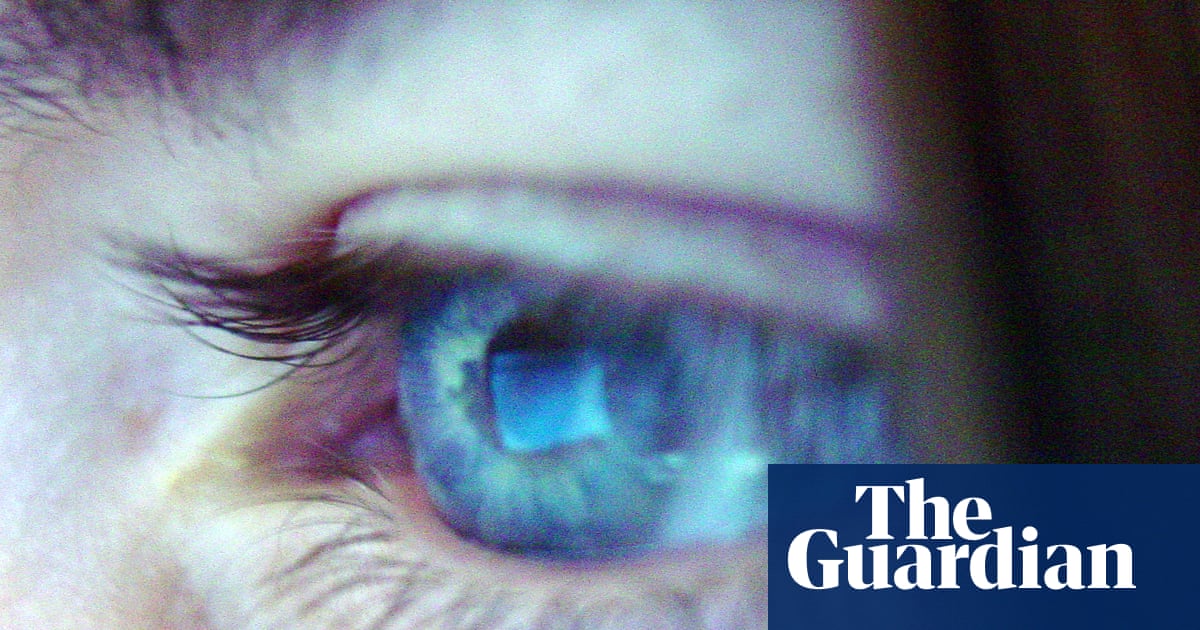
Three Students Built a Cheap Headset to Spot Concussions in Young Athletes Right on the Sideline

A team of Harvard University students has developed a low-cost, eye-tracking headset capable of screening young athletes for concussions in two to three minutes. Designed to be affordable for school sports programs, the portable device detects subtle ocular trauma indicators immediately after a head collision. Their invention, which earned the prestigious James Dyson Award, could prevent undetected brain injuries from going untreated during critical game moments.

2026-09-18 / Health & Medicine

When You Can’t Just Google a Pregnancy Worry, Expectant Mothers in Kenya Can Now Text for Safe, Instant Advice

An accessible AI-powered text messaging service is providing expectant mothers across Kenya with immediate, reliable answers to urgent health and pregnancy questions directly on basic mobile phones. Without needing expensive internet access or a smartphone, women can instantly check symptoms and receive medically sound guidance, reducing anxiety and catching complications early.

2026-09-17 / Health & Medicine

An Extra Seven Months With the People They Love: England Approves Life-Extending Breast Cancer Treatment

NHS England has approved the breast cancer drug Enhertu, providing thousands of patients with advanced HER2-low and HER2-positive diagnoses access to a therapy proven to extend survival by an average of seven months. The decision follows determined advocacy from patients and clinicians after the treatment was previously accessible in Scotland. Those added months offer families invaluable shared milestones and precious time together.

2026-09-17 / Planet & Nature

Fish Used to Just Pass Through These Waters. Rebuilt Oyster Reefs Convinced Them to Stay.

Large-scale oyster reef restoration in the Chesapeake Bay has succeeded in rebuilding complex, three-dimensional underwater habitats where diverse marine species now live year-round. Marine scientists found that reconstructing the physical reef structure transformed a barren transit zone into a thriving refuge for permanent resident fish. The long-term study proves that thoughtful marine restoration can permanently anchor coastal wildlife rather than offering fleeting shelter.

2026-09-17 / Culture & Life

No Locks, No Guards, Just Trust: Two Friends Put Free Book Cabinets in Ahmedabad's Parks, and Readers Flocked to Them

In public parks across Ahmedabad, two college friends have installed open, unmonitored wooden book cabinets, inviting anyone passing by to take or read a title for free. In busy spaces like Parimal Garden, children pause for comic books, elders read on park benches, and students borrow paperbacks entirely on the honour system. The grassroots initiative has transformed shared public green spaces into spontaneous, trusting community libraries.

2026-09-16 / Money & Opportunity

Far From Home, African Workers Sent a Record $124 Billion Straight to Their Families

Direct money transfers from the African diaspora surged 86 percent over nine years to reach $124.2 billion in 2025, according to the UN International Fund for Agricultural Development. Bypassing state bureaucracies, these funds travel straight from working migrants into household budgets to pay for groceries, school fees, and medical care. Despite steep transaction costs, the milestone demonstrates how ordinary family loyalty across vast distances has built an unmatched grassroots safety net.

2026-09-16 / Health & Medicine

In Remote Afghan Villages, Midwives Are Quietly Making Sure No Mother Gives Birth Alone

In southern Afghanistan's Helmand province, local midwives are establishing and staffing rural health houses to deliver prenatal care, anemia screening, and safe delivery support. Operating in isolated communities where public healthcare is scarce and restrictions on women are severe, these professionals provide an essential lifeline for expectant mothers. Their courage ensures that childbirth in remote mountain regions is no longer a solitary and life-threatening ordeal.

2026-09-16 / Planet & Nature

Seven Indigenous Women Are Walking Amazon Riverbanks to Save a Disappearing Turtle

In the Amazon, seven Siekopai women known as the Tari Nomiowa’i, or 'turtle women,' are patrolling remote riverbanks to protect the nests of endangered freshwater turtles. By locating fresh tracks and guarding fragile clutches against predators and poachers, they are giving the severely depleted population space to recover. Their daily commitment pairs ancestral river knowledge with practical conservation to ensure the species endures.

2026-09-16 / Education & Children

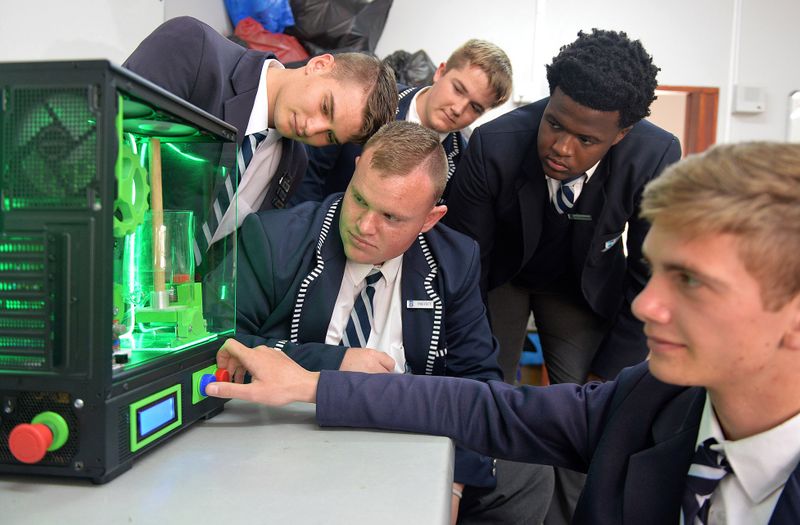
Down to Just 30 Pupils, This Himalayan School Was Fading. Today, 180 Village Children Are Building Circuits and Growing Food Forests.

An army veteran in Uttarakhand revived a struggling mountain school in Dunda village, helping enrollment surge from 30 students to 180 enthusiastic learners. The educational trust integrated hands-on circuit building, electronics, and permaculture food forests into the daily curriculum alongside traditional academics. The transformation demonstrates how dedicated grassroots leadership can bring high-quality, practical modern education to remote mountain communities without requiring families to leave home.

2026-09-16 / Science & Technology

In Extreme Heat, One Block Can Swelter While Another Stays Cool. Now Relief Can Reach the Streets Where People Need It Most.

Urban heat islands can make certain city blocks significantly hotter and more dangerous than neighboring streets, putting vulnerable residents at severe risk during extreme heatwaves. Atmospheric scientists at NSF NCAR have developed high-resolution modeling that pinpoints heat stress at the neighborhood scale, giving municipal leaders the clarity they need to deploy cooling centers, hydration, and medical care straight to the blocks facing the greatest danger.

2026-09-15 / Health & Medicine

Two Billion People Across Southeast Asia Are Now Safe From the World's Leading Cause of Infectious Blindness

Timor-Leste has been officially certified free of trachoma by the World Health Organization, completing the elimination of the disease across the entire Southeast Asian region. The milestone represents decades of grassroots screenings, sanitation improvements, and community medical care that have lifted a threat that once blinded millions. More than two billion people in the region now live free from the world's leading infectious cause of blindness.

2026-09-15 / Culture & Life

Stolen in 1945 and Spotted in an Online House Listing, a Nazi-Looted Painting Is Going Home

Giacomo Ceruti's portrait 'Portrait of a Lady', looted by Nazi forces in Amsterdam in 1945, will be returned to its rightful heirs following a landmark ruling by an Argentine court. The lost masterpiece was rediscovered after eight decades when an alert researcher noticed it hanging in the background of an online real estate listing in Argentina. The decision marks a rare, peaceful restoration of stolen family heritage that crossed continents and survived generations.

2026-09-15 / Education & Children

Philadelphia Students Are Walking Into Far Safer Classrooms as Weapons in Schools Drop by Two-Thirds

Weapons confiscated in Philadelphia public schools have fallen by approximately 67% over three academic years, dropping from 516 in 2021–22 to 171 in 2024–25. District safety officials attribute the improvement to sustained prevention efforts and targeted intervention. While safety leaders emphasize the need for continued vigilance, the steep drop reflects a measurably calmer and safer environment for thousands of students.

2026-09-14 / Humanity & Society

Young Farmers in the Welsh Hills Are Growing Bumper Crops Just to Feed Hungry City Children

A group of young growers in Powys is dedicating charity farmland to cultivating fresh vegetables specifically for schoolchildren in Birmingham experiencing food poverty. By sending produce directly from rural soil to urban dinner plates, the initiative circumvents commercial markups and ensures vulnerable pupils receive wholesome food. The partnership shows how community-led agriculture can bridge geographical divides to care for children in need.

2026-09-14 / Health & Medicine

A Simple Phone Photo in a Remote Village Can Now Catch Cataracts Before They Steal Someone's Sight

Field trials in rural eye camps reveal that standard smartphone images reviewed remotely by ophthalmologists achieve diagnostic accuracy comparable to in-person clinical examinations. This approach allows frontline health workers without surgical training to identify blinding eye conditions early. By turning ordinary mobile devices into diagnostic tools, life-changing eye care can reach remote communities that lack dedicated clinics.

2026-09-14 / Health & Medicine

Hidden Organ Strain Can Now Be Spotted in Eight-Year-Olds Early Enough That It Could Be Reversed

Researchers have uncovered specific blood protein markers that signal cardiovascular, kidney, and metabolic strain in children as young as eight, long before physical symptoms develop. Identifying these molecular warnings gives paediatricians an early therapeutic window to intervene with modern therapies that may halt or undo systemic damage. The breakthrough offers a realistic medical strategy to prevent lifelong chronic illness before permanent harm takes hold.

2026-09-14 / Science & Technology

A 22-Year-Old in Kenya Built Robotic Hands So Deaf Children Can Learn From Any Teacher

Young innovator Norah Kimathi developed robotic hands through her startup, ZeroBionic, that listen to a teacher's spoken voice and translate lessons into real-time sign language. The device allows deaf pupils to learn alongside their peers in mainstream classrooms, even when instructors do not know how to sign. By dismantling a pervasive communication barrier, the invention opens mainstream education to children previously left isolated.

2026-09-14 / Animals & Wonder

Elephants Don't Merely React on Instinct: They Can Deliberately Pause, Think, and Control Their Impulses

Controlled behavioural experiments demonstrate that elephants possess the mental discipline to pause and deliberate before acting, resisting immediate impulses to solve multi-step problems. This sophisticated executive self-control was once believed to be restricted almost entirely to humans and great apes. The evidence offers profound insight into animal cognition and deepens our ethical responsibility to safeguard these contemplative giants.

2026-09-13 / Animals & Wonder

Life Rebuilt Far Faster Than We Thought: Ancient Alligators Flourished in the Direct Wake of the Asteroid

Fossil discoveries reveal that ancestral alligators grew large and diversified across North America just a few hundred thousand years after the asteroid wiped out the dinosaurs. The findings overturn old assumptions that planetary recovery required millions of years, showing complex predators returned swiftly. It offers compelling geological proof of nature's remarkable capacity to mend itself even after catastrophic collapse.

2026-09-13 / Science & Technology

Seventy-One Nations Agree: What We Discover on the Moon Will Belong to All of Humanity

Under an initiative reinforced through the Artemis Accords, 71 countries have formally pledged to share all lunar samples, scientific data, and findings openly with researchers across the globe. The pact establishes open science and international cooperation as the baseline for humanity's return to the Moon, rather than national secrecy. It ensures that the knowledge gained beyond our atmosphere serves the collective progress of people on Earth.

2026-09-13 / Health & Medicine

Frozen for 22 Years, an Embryo Has Safely Entered the World as a Healthy Baby

A couple in Greece has welcomed a healthy newborn developed from an embryo cryopreserved more than two decades ago. The successful birth provides definitive real-world evidence that human cells can remain completely viable through extended periods of deep freeze. For millions of families turning to assisted reproduction, the milestone offers profound reassurance that time does not diminish their future chances.

2026-09-13 / Science & Technology

We Have Studied Its Bones for a Century. Now We Finally Have the Footsteps of an Adult T. Rex

Paleontologists in North Dakota have uncovered a 23-foot sequence of four fossilized footprints, marking the first confirmed trackway left by a walking adult Tyrannosaurus rex. Preserved in stone for 66.5 million years, the prints allow scientists to calculate how the massive predator balanced and propelled its enormous weight. The rare discovery transforms static museum skeletons into a living, breathing animal captured mid-stride.

2026-09-13 / Science & Technology

A Laser Bounced Off a Passing Asteroid Gives Us Unprecedented Precision to Defend the Planet

Japan's Hayabusa2 spacecraft has completed the first-ever laser-ranging measurement of an asteroid, bouncing light off space rock Torifune with sub-meter navigational accuracy. The milestone proves space agencies can pinpoint the trajectory of fast-moving near-Earth objects across vast interplanetary distances. That level of precision equips scientists with the vital capability needed to track threatening space rocks and safeguard the Earth.

2026-09-12 / Humanity & Society

With Almost Nothing of Their Own, Kansas Inmates Pooled Their Stipends So Local Children Wouldn't Owe a Cent for Lunch

Men serving time at a Kansas correctional facility voluntarily contributed from their minimal monthly wages to raise more than $4,000, wiping out outstanding lunch debt across nearby school districts. The gesture spares vulnerable families from immediate financial penalties and protects children from the cafeteria stigma that often follows unpaid meal bills. It offers quiet evidence that empathy and civic responsibility can thrive even in the most constrained circumstances.

2026-09-12 / Planet & Nature

Home to 200 Butterfly Species, Mount Mabu Is Now Formally Protected—and Governed by the Villagers Living on Its Slopes

Mozambique has formally designated the 23,000-acre Mount Mabu Community Conservation Area, shielding a vital rainforest sanctuary rich with hundreds of butterfly species and rare wildlife. Instead of handing administration to distant state agencies or private concessions, the legal decree places long-term management directly into the hands of resident mountain communities. The initiative establishes a sustainable conservation model where local residents have both the authority and incentive to preserve their native ecosystem.

2026-09-12 / Health & Medicine

Medicine Long Believed Heart Damage Was Permanent. It Turns Out the Human Heart Can Regrow Its Own Muscle.

Medical researchers have demonstrated for the first time that human heart muscle cells possess the natural ability to regenerate following a heart attack, upending decades of conventional clinical wisdom. While therapies to stimulate and harness this repair mechanism are still in laboratory development, the discovery confirms that damaged cardiac tissue is not biologically doomed to permanent scarring. It opens an entirely new therapeutic horizon focused on helping the body repair itself rather than simply managing chronic failure.

2026-09-12 / Money & Opportunity

By Selling Straight to Local Mills Instead of Middlemen, Coastal Kenyan Farmers Are Bringing Their Cotton Back to Life

Farmers along Kenya's coastline are returning to cotton cultivation as new regional ginneries and integrated textile factories re-establish direct connections from field to fabric. Cutting out predatory brokers and turbulent export channels has stabilized farmgate prices, allowing rural households to earn dependable livings from their harvests. The turnaround demonstrates how rebuilding local processing infrastructure can restore neglected agricultural economies from the ground up.

2026-09-12 / Animals & Wonder

Found Thousands of Miles From Home, Five Baby Orangutans Are Safe After Indian Rangers Reached Them in Ten Minutes

Forest department officers in Odisha, India, sprang into action after receiving a dawn alert about five infant orangutans abandoned thousands of kilometers away from their native rainforests. Arriving on scene within ten minutes, rangers managed a massive crowd, stabilized the distressed primates with fluids, and escorted them on a 300-kilometer journey to specialized veterinary care at Nandankanan Zoo. The rapid intervention saved five critically endangered animals from trafficking, giving them a fighting chance at recovery.

2026-09-11 / Science & Technology

Inside Our Cells Were Crucial Proteins Science Couldn't See. We Are Finally Learning What They Do.

By combining artificial intelligence with bench biochemistry, researchers have mapped previously undetected human proteins and illuminated their exact duties inside living cells. Uncovering this invisible cellular machinery offers medicine fresh, high-precision targets to treat stubborn diseases. While turning these insights into clinical treatments will require years of lab work, the discovery fundamentally deepens our understanding of human biology.

2026-09-11 / Health & Medicine

Escaping War Is Only Half the Journey. In Birmingham, a Dedicated Clinic Is Helping Refugees Heal the Trauma They Carried.

A specialised mental health clinic run by Doctors Without Borders in Birmingham has supported more than 350 refugees and asylum seekers during its first year of operation. The centre delivers intensive, trauma-focused psychological therapy designed to address the deep emotional scars left by violent conflict and forced displacement. Its success proves that genuine refuge requires mending invisible wounds alongside providing physical safety.

2026-09-11 / Planet & Nature

For 20 Years, Fear of Lawsuits Stopped Volunteers From Cleaning Poisoned Rivers. Now the Law Lets Them Get to Work.

The U.S. Environmental Protection Agency has issued its first cleanup permit under the bipartisan Good Samaritan Act, clearing conservationists at Trout Unlimited to remediate abandoned toxic mine waste in Washington state. For over two decades, civic groups eager to restore contaminated waterways were blocked by outdated liability rules that treated volunteers like original polluters. Removing that legal hazard establishes a nationwide precedent that frees local stewards to revive damaged ecosystems.

2026-09-11 / Science & Technology

The Ancient Ancestors of Rice and Wheat Survived Catastrophic Climates. Their Secrets Could Protect Our Food Supply.

A high-resolution genome analysis has uncovered how the prehistoric ancestors of modern cereals adapted to endure dramatic environmental turbulence millions of years ago. Agronomists can now translate these evolutionary survival mechanisms into practical blueprints for breeding drought- and heat-resistant crops. While field trials will take seasons to reach commercial scale, unlocking this deep genetic history strengthens agriculture against volatile weather.

2026-09-11 / Science & Technology

Replacing Electricity With Light Inside Microchips Could Slash Computing Power. A Decades-Old Roadblock Just Fell.

Engineers at Tohoku University and Kyocera have engineered a precise laser treatment that bonds optical components directly onto silicon chips without thermal damage. Transmitting data via photons rather than electrical current drastically reduces the energy and heat generated by intensive digital computing. Although high-volume commercial production remains ahead, solving this physical manufacturing barrier moves light-based computing from theory toward reality.

2026-09-10 / Culture & Life

After Six Years of Quiet, Respectful Dialogue, Oxford Is Returning Colonial-Era Ancestral Remains to the Naga People

Oxford University's Pitt Rivers Museum will repatriate ancestral human remains collected during British colonial rule back to the Naga people of north-east India. The historic breakthrough followed six years of patient, respectful discussions between university curators and community leaders. The agreement sets a compassionate precedent for how cultural institutions and indigenous communities can peacefully heal long-standing historical wounds.

2026-09-10 / Education & Children

As Learning Slipped Across Most of the World, England’s Teenagers Proved the Power of a Solid Classroom

English teenagers outperformed peers across most developed nations in mathematics, reading, and science in the latest OECD international assessments. While student scores slipped in almost all member nations amid rising digital distractions, England's results demonstrate that focused classroom instruction can effectively shield foundational skills. The findings offer practical reassurance to teachers and families navigating an increasingly distracted world.

2026-09-10 / Science & Technology

Braving Blistering Heat and Relentless Gravity, Humanity Has Successfully Reached Mercury for Only the Third Time

The European Space Agency's BepiColombo probe has safely arrived at Mercury, marking only the third time in human history that a spacecraft has reached our solar system's innermost planet. Surviving extreme temperatures and intense gravitational forces, the mission now begins gathering data on how rocky worlds form. The triumph reflects decades of international engineering and patient scientific cooperation pushing the frontiers of exploration.

2026-09-10 / Planet & Nature

Instead of Clashing, British Anglers and Marine Biologists Are Teaming Up to Protect the Seas’ Most Vulnerable Sharks

Recreational sea anglers and marine scientists across Britain have launched a three-year initiative to tag and monitor porbeagle, tope, and blue sharks. Rather than remaining divided over marine conservation, anglers are using their time on the water to provide critical field data that researchers could never gather alone. The partnership demonstrates a collaborative model where everyday ocean users become vital stewards of marine wildlife.

2026-09-10 / Health & Medicine

Relief Came in Just Eight Weeks: An Existing Arthritis Medicine Brought Substantial Hair Regrowth to 1,400 Alopecia Patients

A large clinical trial of 1,400 patients revealed that an established arthritis medication triggered significant hair regrowth in people living with severe alopecia. Participants receiving the treatment showed measurable reductions in hair loss by week eight compared to those given a placebo. By repurposing a medicine with an existing safety record, researchers are opening a faster, safer route to restoring well-being and confidence for patients.

2026-09-09 / Planet & Nature

It Started in an Ordinary Garden Shed. Now North Yorkshire’s Nights Are Glowing Again.

Endangered glowworms are lighting up the North Yorkshire countryside once more after local volunteers successfully returned them to the Nosterfield nature reserve. Known as 'glow-getters', the neighbours spent months rearing fragile larvae inside an ordinary garden shed before setting the glowing beetles free into protected wetland habitat. Their quiet triumph proves that reversing local biodiversity loss does not always require massive budgets—just patience, care, and community resolve.

2026-09-09 / Health & Medicine

A New MRI Technique Can Spot Lung Tumours Just One Millimetre Wide, Catching Cancer Long Before It Spreads

Biochemists have developed a new protein-based MRI contrast agent capable of detecting invasive lung tumours and secondary growths measuring only a single millimetre across. By revealing tiny lesions that standard scans routinely miss, the breakthrough provides clinicians with a critical early window to treat disease before silent metastases take hold. Successful in laboratory studies, the precision imaging method is now preparing for human clinical trials.

2026-09-09 / Science & Technology

For the First Time, a Commercial Rocket Has Reached Orbit Directly From European Soil

Munich startup Isar Aerospace has completed the first successful commercial orbital flight from mainland Europe, marking a breakthrough for the continent's independent space capabilities. The launch demonstrates that homegrown European enterprises can place climate-monitoring, research, and communication satellites into orbit without depending on overseas launch providers. The milestone clears the path for regular European commercial launches in the years ahead.

2026-09-09 / Culture & Life

Thirty Minutes Into Digging a Backyard Patio, a Danish Homeowner Struck the Country’s Largest Viking Silver Treasure

A Danish homeowner preparing ground for a garden terrace made history when his shovel struck a massive hoard of tenth-century Viking silver just half an hour into the job. Rather than keeping the find private, he immediately alerted archaeologists, preserving an unprecedented trove of ingots, coins, and jewellery that illuminates centuries-old trade routes. The priceless collection will now be conserved and placed on public display for everyone to appreciate.

2026-09-09 / Humanity & Society

UK Communities Are Quietly Growing Safer, Even if Everyday Fear Hasn’t Caught Up

Rates across the vast majority of crime categories in the United Kingdom are steadily decreasing, according to a comprehensive national study examining police and survey data. While sensational headlines and social media algorithms keep public anxiety elevated, the statistical reality reveals that everyday neighbourhoods are measurably more secure than a decade ago. Acknowledging this quiet progress offers an evidence-based antidote to misplaced fear.

2026-09-08 / Health & Medicine

Even When Chemotherapy Stops Working, a Newly Approved Medicine Is Doubling Survival for Pancreatic Cancer Patients

The FDA has granted immediate approval to daraxonrasib, an insurance-covered therapy shown to double survival times for people facing advanced pancreatic cancer after standard chemotherapy has failed. While not a permanent cure, the drug provides meaningful additional months of living time against an illness historically considered among the most untreatable. The decision delivers an immediate, accessible lifeline to patients and families who previously had exhausted their clinical options.

2026-09-08 / Health & Medicine

You Do Not Need 10,000 Steps to Live Longer: A Brisk 30-Minute Walk Delivers the Same Lasting Protection

A large-scale study published in the British Journal of Sports Medicine reveals that brisk walking for just half an hour a day significantly reduces the risk of premature death, regardless of whether a person reaches the popular 10,000-step mark. The research proves that pace matters just as much as distance, meaning people with sedentary office routines or busy schedules can gain full cardiovascular longevity benefits without spending hours on their feet. The findings replace an arbitrary fitness metric with a practical habit that is genuinely achievable for ordinary people.

2026-09-08 / Science & Technology

The Molecules of Life Never Stand Still: AI Can Now Map How Proteins Bend and Shift in Real Time

Scientists in Japan have expanded artificial intelligence beyond static biological predictions, enabling tools like AlphaFold3 to model the dynamic shape-shifting movements that proteins undergo inside living organisms. Cellular machinery operates by bending and flexing, but computational models had previously been restricted to frozen snapshots, obscuring key moments where therapies could intervene. The computational breakthrough gives medical researchers a dynamic lens into cellular mechanics, accelerating the design of treatments for conditions once considered undruggable.

2026-09-08 / Science & Technology

When Hardware Breaks, Computers Usually Crash. A New Brain-Inspired Chip Keeps Running Through Severe Damage.

Engineers at the University of Hong Kong and Hewlett Packard Labs have developed an associative memristor chip that successfully retrieves complete memories from incomplete cues and continues operating even when large portions of its hardware are destroyed. Conventional computer chips suffer catastrophic failures when individual circuits fracture, but this new architecture mimics the human brain's distributed, damage-tolerant resilience. The breakthrough paves the way for dependable electronics capable of functioning autonomously in harsh environments, from deep space exploration to critical infrastructure.

2026-09-08 / Science & Technology

Holding Millions of Suns’ Worth of Matter but Not a Single Star: Vast Invisible Clouds Discovered in Deep Space

Astronomers operating China's FAST radio telescope have discovered two gigantic clouds of primordial hydrogen gas drifting near the Whirlpool galaxy, each containing roughly three million times the mass of our sun while remaining completely starless. Because these vast reservoirs omit optical starlight, they had remained undetected until picked up by sensitive radio frequencies. The observation provides astrophysicists with a rare window into the quiet, invisible gas reserves that fuel galactic evolution across cosmic time.