Saturday, September 12, 2026Daily Edition · No. 001

The Other Headlines

There is more good in the world than the headlines suggest.

Bad news travels fast. Help good news travel faster.

The Other Headlines / Collection

Nature & Environment

What if nature can come back?

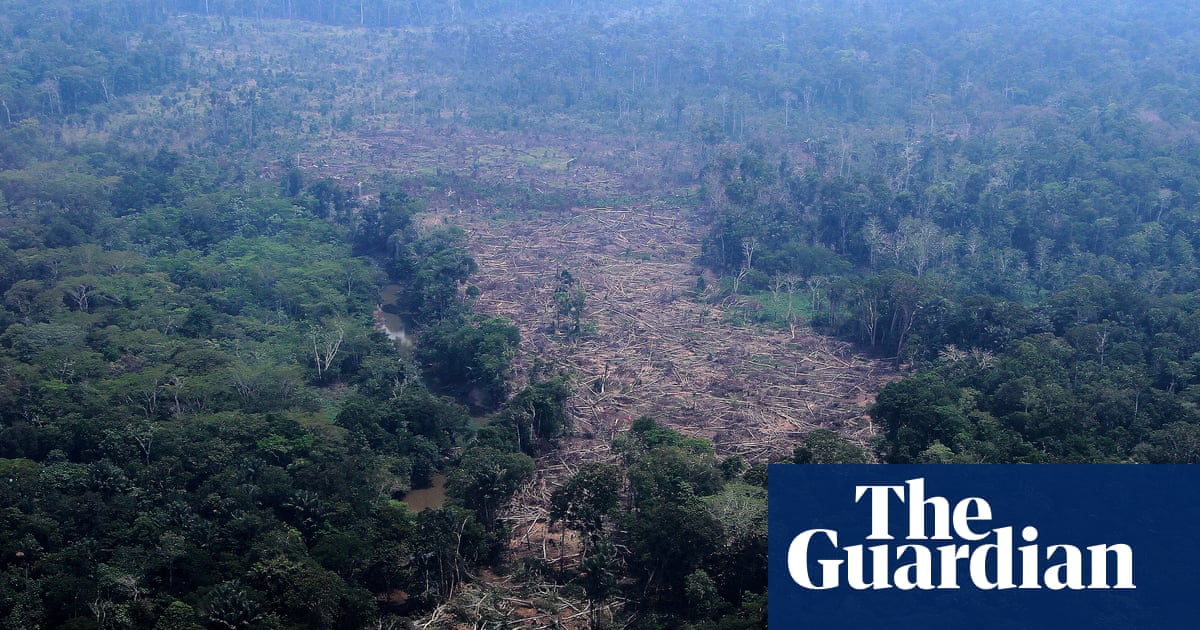
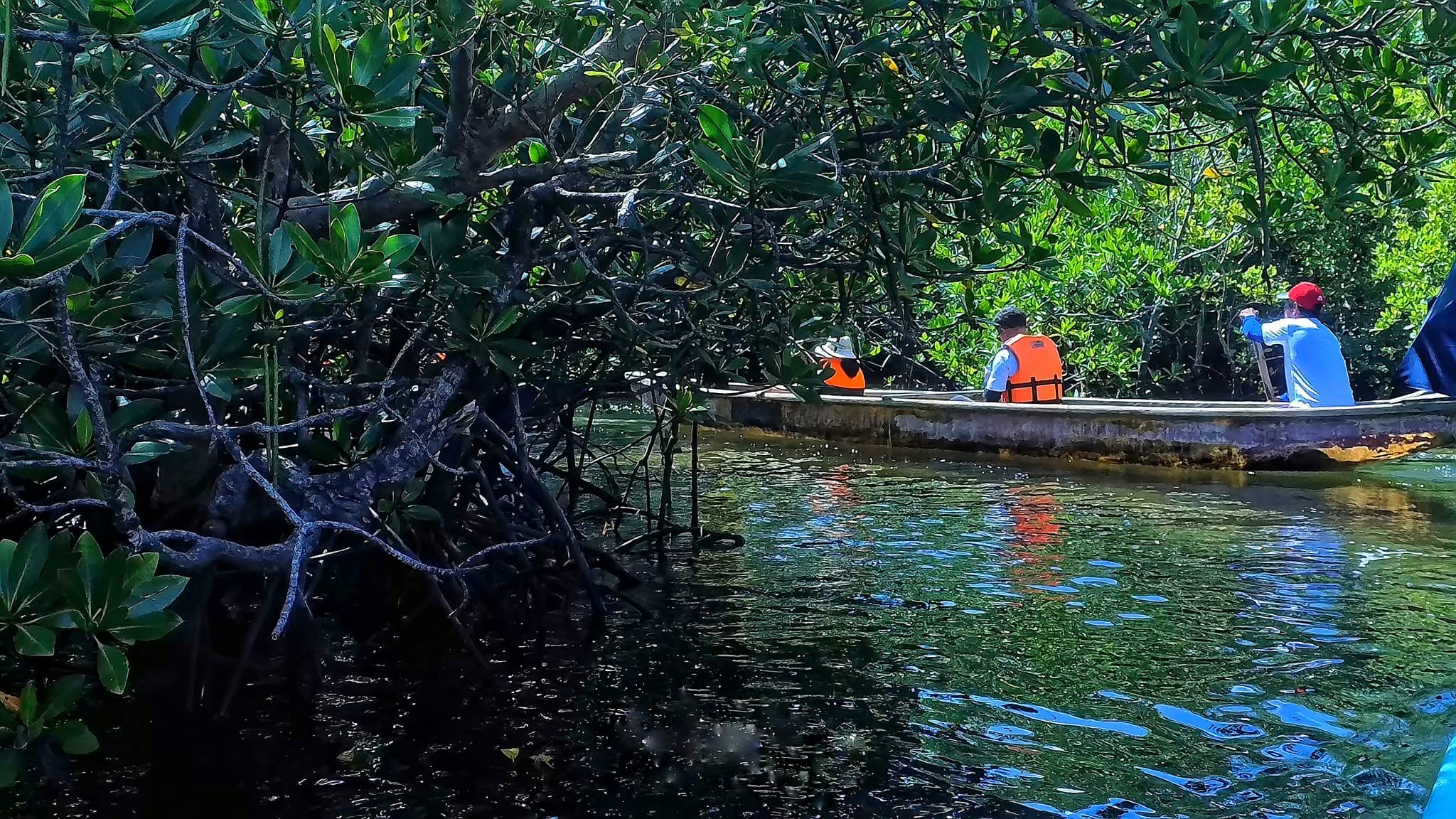
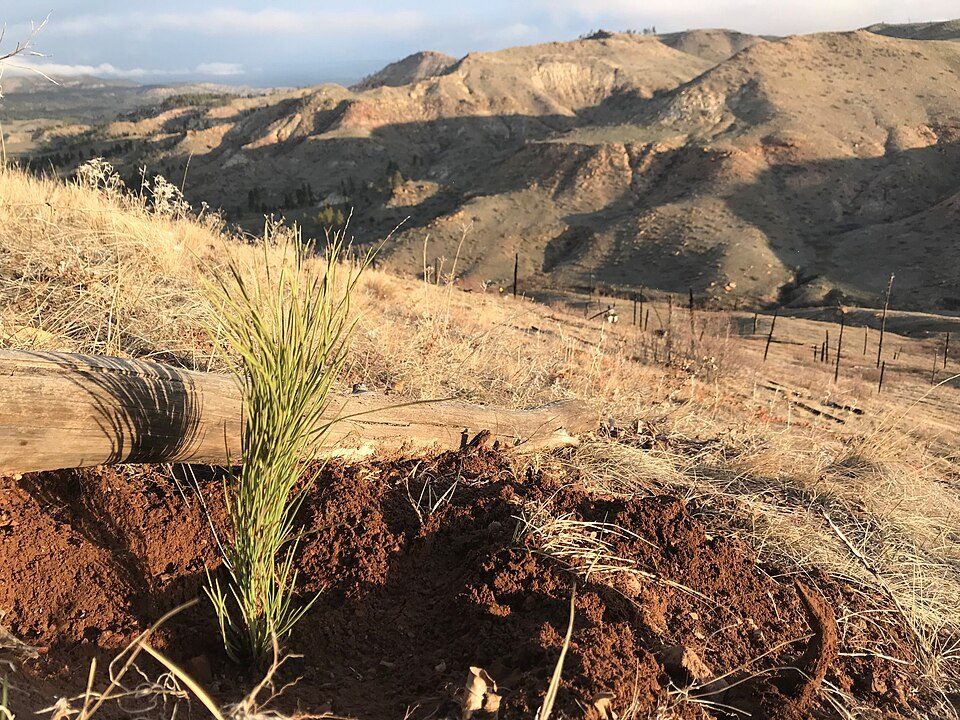
Thematic illustration for this collection, not an image of any listed story
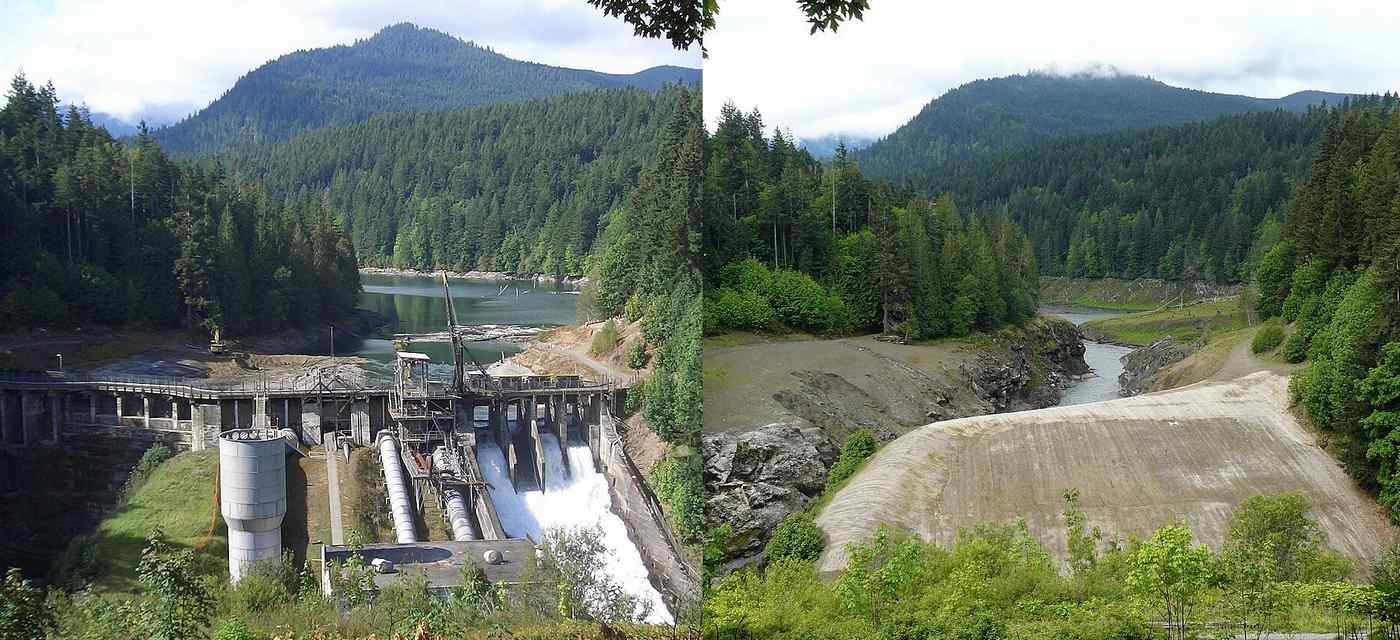
Thematic photo: USDA Forest Service · Public domain. Not a photograph of a listed story.
33 published stories
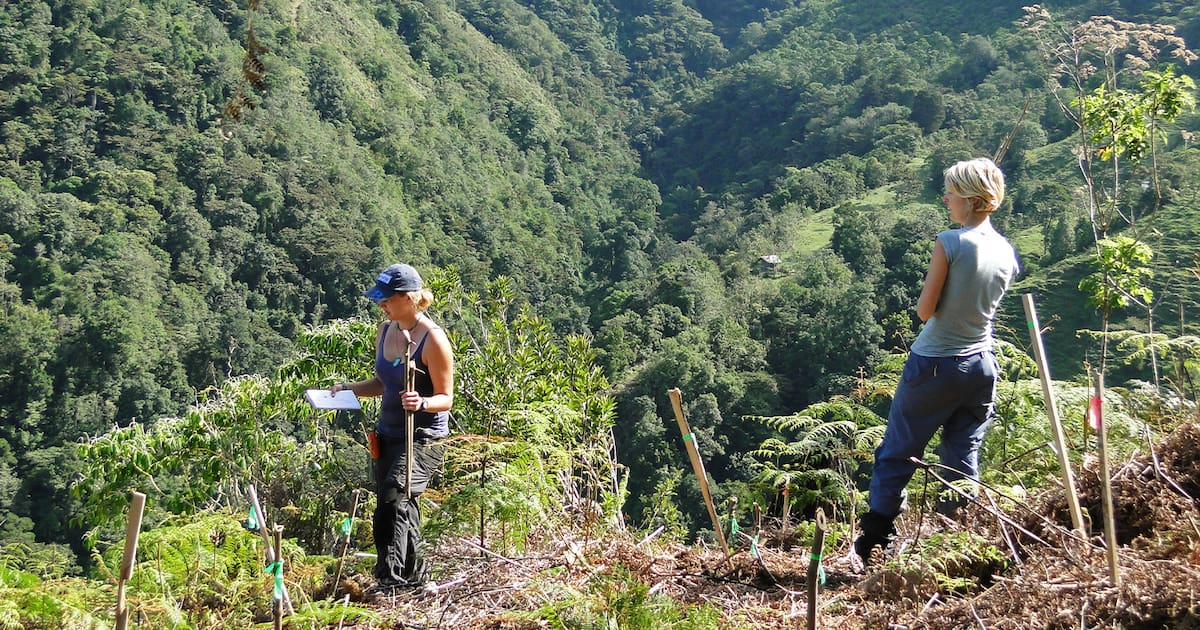
Publisher photograph accompanying cronista.com's report

2026-10-24 / Planet & Nature

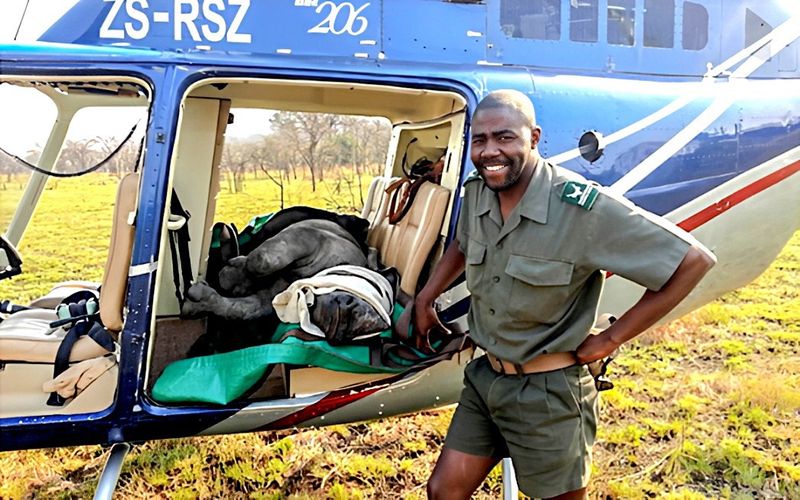
A forest can become a home again: on land a couple helped restore in Costa Rica, a puma has raised her cubs

Genevieve and Ian Giddy began restoring former farmland beside Costa Rica’s Chirripó National Park in 2002, starting a project that now spans 283 hectares and has grown around 50,000 native trees. Wildlife has returned as the habitat has recovered, with reserve records identifying 305 bird species and researchers confirming the presence of all six wild cat species found in Costa Rica.

Publisher photograph accompanying gov.ca.gov's report

2026-10-06 / Planet & Nature

Safer communities can start before a fire: California makes law the measures that fast-tracked 500-plus prevention projects

California has enacted wildfire-prevention measures building on emergency actions that the governor’s office says fast-tracked more than 500 projects across nearly 130,000 acres. The package also expands support for prescribed and cultural burning and establishes low-interest loans to help homeowners and businesses make properties more fire-resistant.

Publisher photograph accompanying ecoportal.net's report

2026-10-05 / Planet & Nature

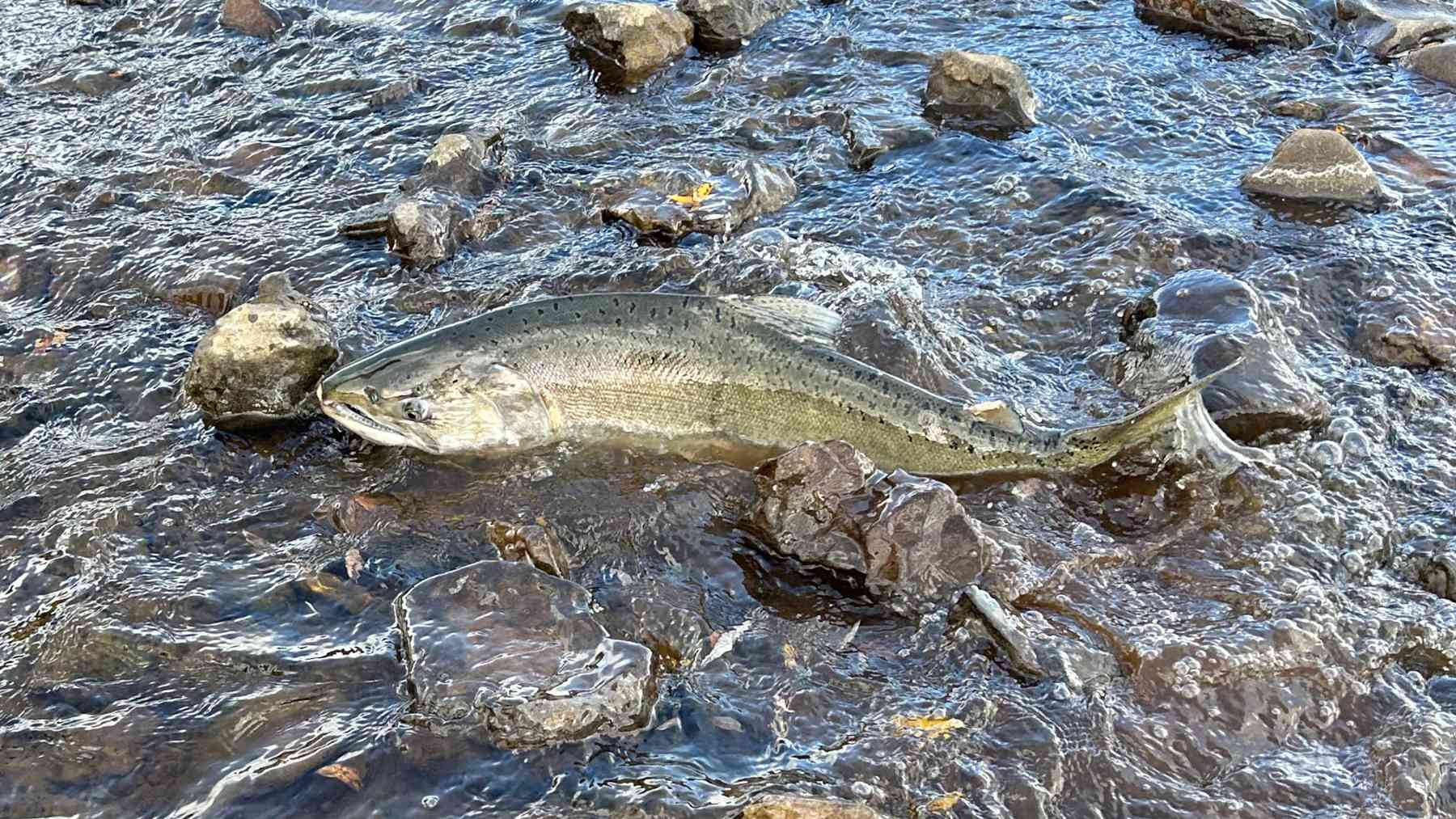
Nature Can Return When We Reopen the Way: Klamath Salmon Reached 88% of Their Historic Range After Four Dams Came Down

Within two migration seasons of four dam removals, Chinook salmon recolonized 88% of their documented historical distribution in the Klamath River, expanding into approximately 214 miles of reconnected habitat. The rapid return shows what removing migration barriers can make possible, though a self-sustaining population has not yet been demonstrated.

Publisher photograph accompanying Grist's report

2026-09-27 / Planet & Nature

No Matter How High the Waters Rise, a Nation Cannot Be Erased: The UN Agrees Sinking Islands Keep Their Sovereignty Forever

The United Nations has adopted a landmark declaration establishing that sea-level rise will not dissolve national borders or sovereign rights, even if low-lying island states are completely submerged. Supported globally by nations including the United States, the pact protects the permanent maritime boundaries and self-determination of vulnerable island peoples. The decision provides legal certainty and diplomatic dignity to communities facing severe climate displacement.

2026-09-23 / Environment & Water

An El Nino Forecast Called Off the Charts Is Coming for the West's Water. Colorado Springs Added Thousands of Residents and Is Using Less Water Than Before.

Colorado Springs has taken on thousands of additional residents while its total water use has fallen, the result of conservation rules and a steady replacement of thirsty lawn with native grass. The city sits in the same drought-exposed river basin now facing an El Nino the World Meteorological Organization calls exceptionally strong.

2026-09-19 / Planet & Nature

Sacred Flowers No Longer Have to Choke India’s Rivers to Be Treated With Respect

Millions of tons of floral offerings across India have long been placed into rivers because spiritual tradition forbids discarding sacred items into ordinary trash. A growing network of green startups is now collecting these discarded marigolds, roses, and jasmine directly from temples to craft clean incense and biodegradable packaging. The closed-loop solution protects fragile waterways while ensuring that offerings made in faith are given a dignified, sustainable second life.

2026-09-19 / Planet & Nature

It Spent Generations as Coalmines and a Landfill. Now It Is Britain’s Largest Urban Farm.

A 65-hectare site in Greater Manchester that once housed two working coalmines, textile mills, an industrial railway, and a municipal rubbish tip has officially reopened as Northern Roots. The newly restored landscape now offers Britain’s largest urban farm, walking trails, and creative green spaces dedicated to community health. The transformation shows how heavily degraded post-industrial wastelands can be reclaimed for public wellbeing and nature.

2026-09-17 / Planet & Nature

Fish Used to Just Pass Through These Waters. Rebuilt Oyster Reefs Convinced Them to Stay.

Large-scale oyster reef restoration in the Chesapeake Bay has succeeded in rebuilding complex, three-dimensional underwater habitats where diverse marine species now live year-round. Marine scientists found that reconstructing the physical reef structure transformed a barren transit zone into a thriving refuge for permanent resident fish. The long-term study proves that thoughtful marine restoration can permanently anchor coastal wildlife rather than offering fleeting shelter.

2026-09-13 / Science & Technology

A Laser Bounced Off a Passing Asteroid Gives Us Unprecedented Precision to Defend the Planet

Japan's Hayabusa2 spacecraft has completed the first-ever laser-ranging measurement of an asteroid, bouncing light off space rock Torifune with sub-meter navigational accuracy. The milestone proves space agencies can pinpoint the trajectory of fast-moving near-Earth objects across vast interplanetary distances. That level of precision equips scientists with the vital capability needed to track threatening space rocks and safeguard the Earth.

2026-09-11 / Planet & Nature

For 20 Years, Fear of Lawsuits Stopped Volunteers From Cleaning Poisoned Rivers. Now the Law Lets Them Get to Work.

The U.S. Environmental Protection Agency has issued its first cleanup permit under the bipartisan Good Samaritan Act, clearing conservationists at Trout Unlimited to remediate abandoned toxic mine waste in Washington state. For over two decades, civic groups eager to restore contaminated waterways were blocked by outdated liability rules that treated volunteers like original polluters. Removing that legal hazard establishes a nationwide precedent that frees local stewards to revive damaged ecosystems.

2026-09-09 / Planet & Nature

It Started in an Ordinary Garden Shed. Now North Yorkshire’s Nights Are Glowing Again.

Endangered glowworms are lighting up the North Yorkshire countryside once more after local volunteers successfully returned them to the Nosterfield nature reserve. Known as 'glow-getters', the neighbours spent months rearing fragile larvae inside an ordinary garden shed before setting the glowing beetles free into protected wetland habitat. Their quiet triumph proves that reversing local biodiversity loss does not always require massive budgets—just patience, care, and community resolve.